| 🥩 Food Type | Dry Food |
| 📅 Life Stage | Puppy |
| 💪 Health Needs | Digestive Health|Skin & Coat |
| 📏 Breed Size | Small Breed|Medium Breed |
| 🏷️ Brand | Pedigree |
| ⭐ Our Rating | 4.4 / 5 |
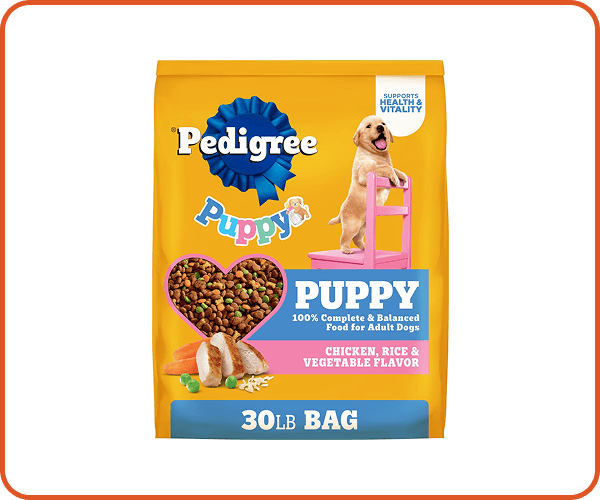
The question most first-time puppy owners face is not which food is best — it is which food they can actually afford to feed consistently through a year of rapid growth. Pedigree Puppy Growth & Protection Chicken, Rice & Vegetable Flavor answers that question at a price point available in grocery stores, dollar stores, and every major pet retailer in North America. But at what nutritional cost? This Pedigree Puppy Chicken Rice & Vegetable review works through the ingredient list honestly, examines what the guaranteed analysis means for a growing puppy, and identifies which puppies this formula genuinely serves.
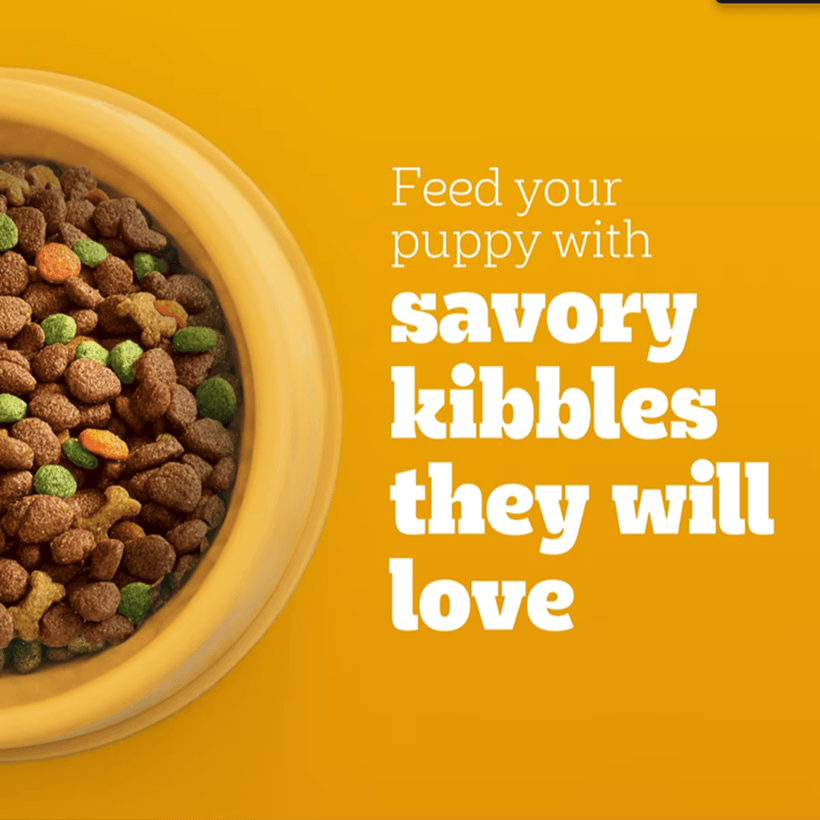
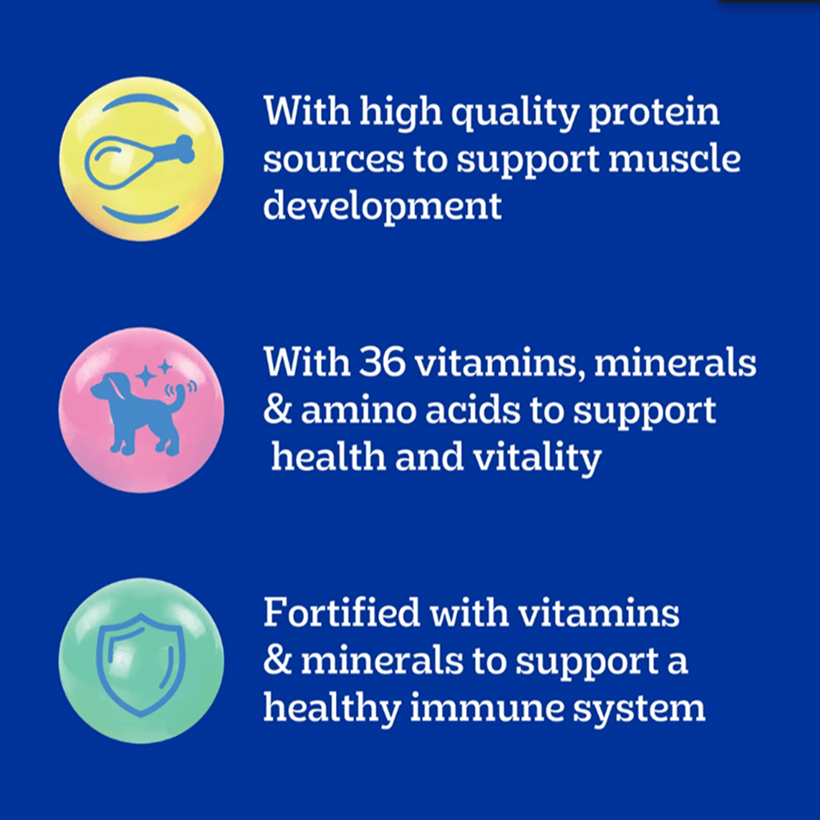
Pedigree operates under Mars, Incorporated — the same parent company behind Royal Canin and IAMS — and has produced dog food since 1957. The brand's entire identity is built around accessibility: complete, balanced nutrition available at a price every household can sustain, distributed through channels that reach owners who may never set foot in a specialty pet store. The Puppy Growth & Protection line is Pedigree's answer to the specific nutritional demands of the puppy growth stage — elevated protein for muscle development, DHA for brain and vision development, calcium and phosphorus for skeletal growth, and the 36 vitamins, minerals, and amino acids that Pedigree markets as the foundation of the formula. It is 100% complete and balanced for puppies per AAFCO standards, manufactured in the USA, and contains no high fructose corn syrup, no artificial flavors, and no added sugars — three claims that are accurate but require context given what the ingredient list does contain.
The complete ingredient list, sourced directly from the product label, reads as follows: Ground Whole Grain Corn, Chicken By-Product Meal, Ground Whole Grain Wheat, Soybean Meal, Brewers Rice, Animal Fat (Source of Omega 6 Fatty Acids [Preserved with BHA and Citric Acid]), Meat and Bone Meal, Natural Flavor (Source of Chicken Flavor), Dried Brewers Yeast, Salt, Fish Oil (Source of DHA [Preserved with Mixed Tocopherols]), Monocalcium Phosphate, Dried Plain Beet Pulp, Potassium Chloride, Choline Chloride, Calcium Carbonate, BHT (preservative), BHA (preservative), Citric Acid (preservative), Dried Peas, Zinc Sulfate, Vitamin E Supplement, L-Tryptophan, Dried Carrots, Red 40, DL-Methionine, Yellow 5, Yellow 6, Blue 2, followed by a complete vitamin and mineral package.
Ground whole grain corn leads the ingredient list — a carbohydrate source that provides energy but is widely regarded as a low-value primary ingredient for a growing puppy whose nutritional needs center on high-quality animal protein. Corn as the first ingredient in a puppy food is the formula's most significant nutritional weakness, and it sets the tone for the rest of the list. Chicken by-product meal in second position is a concentrated, rendered animal protein from chicken organs and structural components — nutritionally dense in amino acids and minerals, and the formula's primary animal protein source. Despite the negative connotation of "by-product," it is more protein-dense than whole chicken once moisture is removed, and its placement here provides a genuine amino acid contribution. Ground whole grain wheat and soybean meal follow as additional carbohydrate and plant protein sources, further adding to the plant-heavy nutrition architecture. Brewers rice in fifth adds a secondary digestible grain carbohydrate.
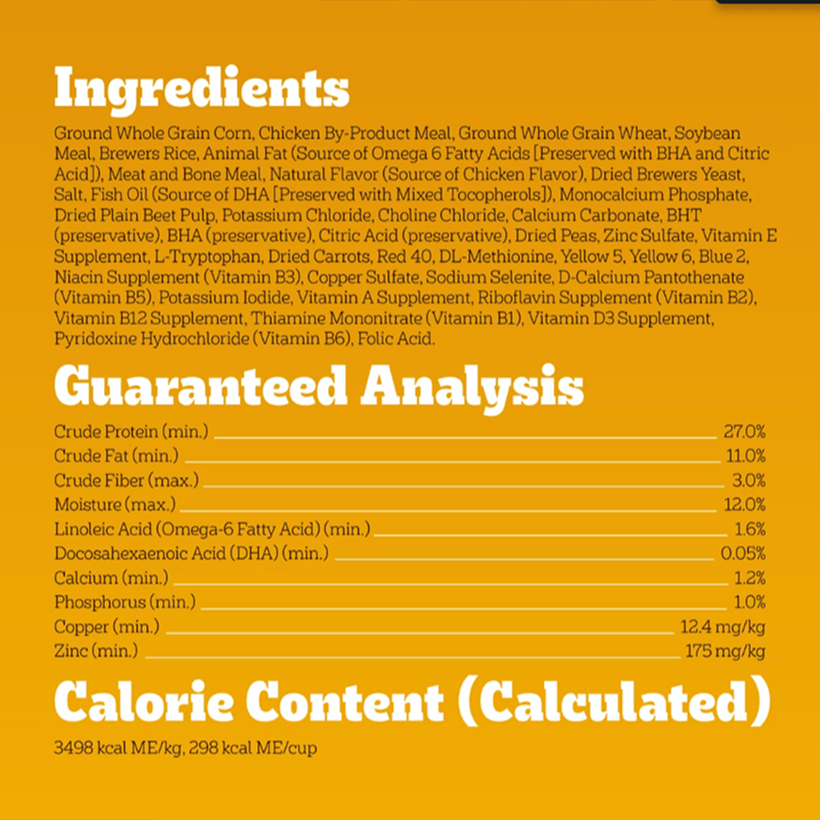
Animal fat preserved with BHA and citric acid is the formula's most technically concerning ingredient. BHA (butylated hydroxyanisole) is a synthetic antioxidant preservative that has been listed as a possible human carcinogen by the National Toxicology Program — its use in pet food is legal and regulated, but its presence as a preservative in a puppy formula is something nutritionally conscious owners should weigh. Meat and bone meal contributes additional protein and calcium from unspecified species — less transparent than a named meat source and compositionally variable. Fish oil preserved with mixed tocopherols delivers DHA — the omega-3 fatty acid essential for puppy brain and vision development, and the formula's most functionally important addition for the growth stage. Dried beet pulp provides digestive fiber. Then come the formula's most straightforwardly indefensible ingredients: BHT (butylated hydroxytoluene) as a second synthetic preservative, followed by the artificial color quartet of Red 40, Yellow 5, Yellow 6, and Blue 2. Artificial colors in puppy food serve no nutritional purpose — they exist purely to create the multi-colored kibble appearance visible in the bag photo, and their presence in a puppy formula is unnecessary by any nutritional standard. The formula does include dried peas and dried carrots as token vegetable ingredients, though their contribution at this positional ranking is minor.
All figures below are sourced directly from the product label:
On a dry matter basis, removing the 12% moisture ceiling, protein reaches approximately 30.7%, fat approximately 12.5%, and estimated carbohydrates around 48%. The protein figure of 27% as-fed is adequate for puppy maintenance by AAFCO standards, though the critical caveat is source quality — a significant portion of that protein comes from corn, soybean meal, and meat and bone meal rather than the named animal proteins that deliver higher biological value for growing dogs. The calcium-to-phosphorus ratio of 1.2% to 1.0% is appropriate for puppy skeletal development and meets AAFCO puppy growth requirements. The DHA at 0.05% minimum is present and functional for brain development, though it sits at the lower end of what dedicated puppy formulas provide. The caloric density of 298 kcal per cup is notably low — the second-lowest figure among the formulas reviewed — which means larger daily portion volumes are required to meet energy needs compared to higher-density puppy foods.
Within its budget positioning, this formula addresses several key puppy growth requirements. The DHA from fish oil supports the neurological development that makes the first year of a puppy's life so nutritionally critical. The calcium at 1.2% and phosphorus at 1.0% are calibrated for skeletal development and are among the more reliable figures in the formula's nutritional profile. The 36 vitamins, minerals, and amino acids that Pedigree markets across its puppy line are verified against AAFCO puppy growth profiles, meaning the micronutrient completeness is genuine even when ingredient quality is modest. Dried beet pulp provides digestive fiber support for a puppy's developing gastrointestinal system. The formula is made in the USA and has no high fructose corn syrup, added sugars, or artificial flavors — claims that are accurate, though the presence of BHA, BHT, and four artificial colors qualifies the "no artificial" narrative significantly.

The multi-colored, multi-shaped kibble is small enough for puppy mouths of most breed sizes — though notably this formula is not specifically calibrated for large breed puppies, whose skeletal development requires different calcium and phosphorus ratios than this standard puppy formula provides. Owner feedback on Petco and Chewy describes the vast majority of puppies accepting this food enthusiastically, with the aroma and flavor profile generating immediate eating response. The low 298 kcal/cup density means puppies may appear hungry or consume larger-than-expected volumes — this is a caloric reality of the formula rather than insufficient nutrition, though owners unaware of it may overfeed. A minority of puppies in owner reviews show initial refusal or loose stools during transition, which is common with any diet change and not exclusive to this formula.
Pedigree Puppy is manufactured at Mars Petcare USA facilities with ingredients sourced domestically and internationally. Mars operates extensive quality control infrastructure across its production network. The BHA and BHT preservative use in this formula is legal and within regulated limits, but it represents a formulation choice that distinguishes this product from competitors — including Pedigree's own premium sibling brands — that use mixed tocopherols (natural Vitamin E) as the sole preservative throughout. The formula has no significant recalls recorded through early 2026. Pedigree supports shelter pet feeding programs through a portion of each purchase — a charitable commitment that is genuine and well-documented.
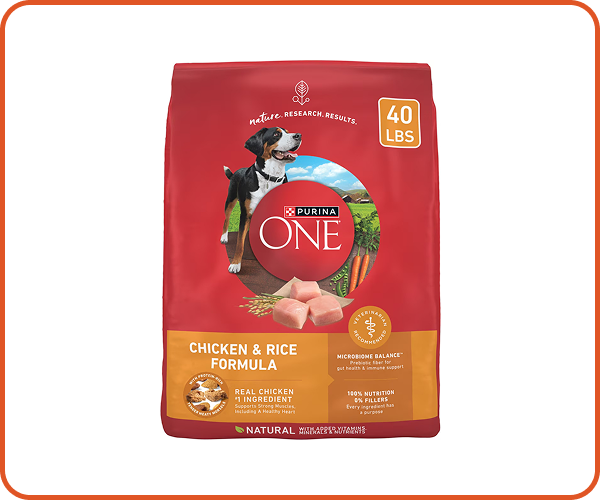
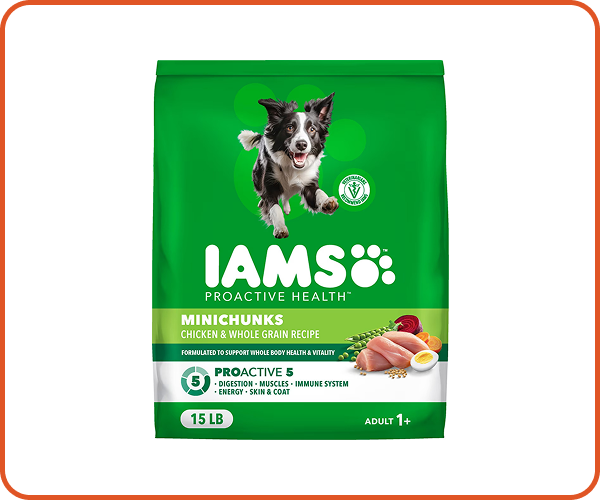
Against IAMS Proactive Health Minichunks — which is not a dedicated puppy formula but is sometimes used for puppies — Pedigree Puppy provides DHA specifically targeted at brain development, a higher calcium figure for skeletal support, and explicit AAFCO puppy growth substantiation. IAMS counters with a cleaner preservative system and no artificial colors. Against Purina ONE Smart Blend Natural Puppy, the comparison is less favorable to Pedigree: Purina ONE leads with real chicken rather than corn, avoids BHA and BHT, includes no artificial colors, and delivers comparable protein at a similar price point. For owners whose budget can accommodate Purina ONE, the ingredient quality gap is meaningful and worth the marginal price difference.
Pedigree Puppy Growth & Protection is appropriate for owners of small to medium breed puppies whose households require a budget-accessible, widely available complete puppy food, and whose puppies have no known sensitivities to corn, wheat, or soy. It is a practical choice for multi-puppy households or rescue situations where cost per day must be carefully managed, and for owners who need a formula available in local grocery stores rather than specialty retailers. It provides AAFCO-verified complete and balanced nutrition for puppy growth — the minimum standard that matters for basic health outcomes. It is not appropriate for large or giant breed puppies — the formula lacks the specifically calibrated calcium-to-phosphorus ratios and lower caloric density that large breed puppy development requires to prevent skeletal abnormalities. Owners of breeds expected to mature above 55 lbs should use a formula specifically designed for large breed puppy growth. Dogs with confirmed sensitivities to corn, wheat, or soy cannot be accommodated by this formula. Owners who want to avoid synthetic preservatives or artificial colors will find this formula incompatible with those standards.
Across Chewy and Petco, Pedigree Puppy Growth & Protection holds ratings between 4.3 and 4.6 out of 5 stars from a large verified purchase base. The dominant positive feedback is straightforward: puppies eat it, it is affordable, it is easy to find, and digestive outcomes are stable for the majority of puppies in normal health. Long-term owners describe consistent use through the entire puppy phase without incident. Critical feedback concentrates on the ingredient list from owners who researched it after purchase, with BHA, BHT, and the artificial color quartet as the most frequently cited specific concerns. A smaller subset of reviews describes individual puppies refusing the food or developing loose stools during transition — consistent with standard puppy formula feedback patterns rather than a formula-specific problem.
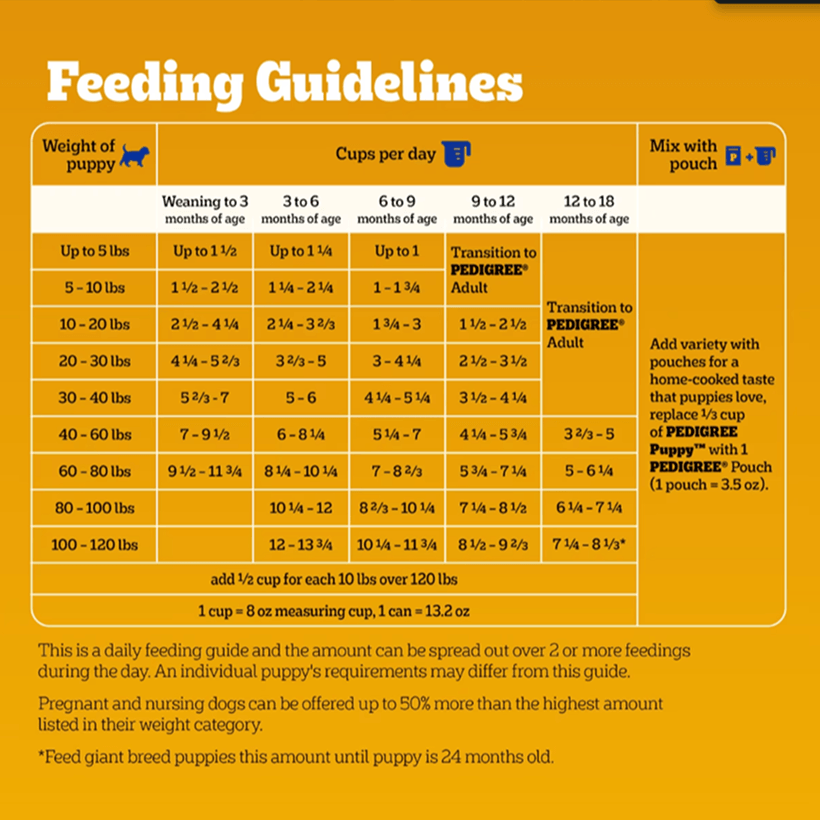
Pedigree recommends transitioning puppies to this formula gradually over 7 days — mixing increasing proportions of the new food with decreasing amounts of the previous formula to allow the puppy's digestive system to adapt. Daily feeding amounts vary significantly by puppy size and age, and Pedigree's packaging feeding chart provides weight-based guidance that should be followed closely given the 298 kcal/cup density, which is lower than many competing puppy formulas. As a general reference: a puppy expected to mature at 20 lbs needs approximately 1 to 1½ cups per day at 8 weeks, scaling upward as the puppy grows. Puppies should be transitioned to an adult formula at approximately 12 months for small and medium breeds. Fresh water should remain continuously available — particularly important given the lower moisture content of dry kibble.
Pedigree Puppy Growth & Protection Chicken, Rice & Vegetable delivers on its core promise: complete, balanced nutrition for puppy growth at a price accessible to any household. The DHA for brain development, the calcium and phosphorus for skeletal growth, and the AAFCO puppy growth verification are genuine and functional. The trade-offs are equally real: corn as the primary ingredient, BHA and BHT as synthetic preservatives, four artificial colors with no nutritional justification, and a generic protein architecture that prioritizes AAFCO compliance over ingredient quality. For the owner whose puppy is a small to medium breed, healthy, and whose budget makes premium puppy food impractical, this formula provides adequate nutrition for the growth stage. For owners who can access Purina ONE Puppy or IAMS Minichunks at comparable pricing, either represents a meaningful ingredient quality upgrade worth pursuing.
Ready to try Pedigree?
Check Best Price →Some links on this page are affiliate links. We may earn a small commission at no extra cost to you.
Pedigree Puppy Growth & Protection is 100% complete and balanced for puppy growth per AAFCO standards, providing DHA for brain development and appropriate calcium and phosphorus for skeletal growth. It is best suited for small to medium breed puppies and is not recommended for large or giant breed puppies who need breed-specific formulas.
The formula opens with ground whole grain corn, chicken by-product meal, ground whole grain wheat, soybean meal, and brewers rice, followed by animal fat, meat and bone meal, fish oil (source of DHA), and beet pulp.
Yes — the formula contains BHA (butylated hydroxyanisole) and BHT (butylated hydroxytoluene) as synthetic preservatives in the animal fat ingredient. It also contains four artificial colors: Red 40, Yellow 5, Yellow 6, and Blue 2.
Pedigree Puppy Growth & Protection contains 298 kcal per cup (3,498 kcal/kg), which is notably lower than most premium puppy formulas — meaning larger daily portions are required to meet a growing puppy's energy needs.
No — this formula is not specifically formulated for large or giant breed puppies, who require carefully calibrated calcium-to-phosphorus ratios and lower caloric density to support healthy skeletal development. Large breed puppies should use a formula specifically designed for large breed growth.