Dog Food
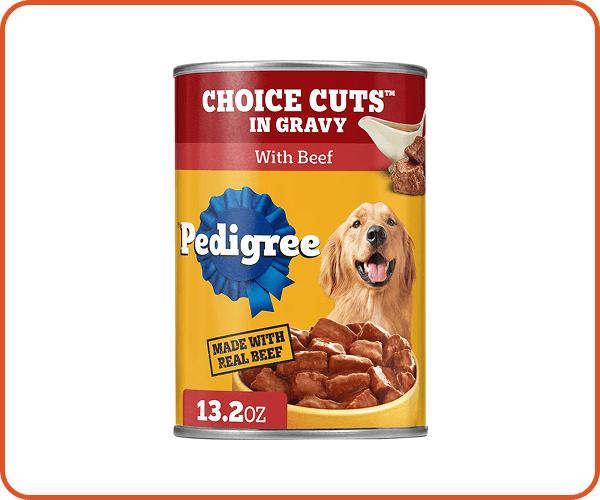
Pedigree Choice Cuts in Gravy with Beef Review
A budget-friendly beef wet food with strong palatability, but meat by-products and wheat gluten dominate the protein sto…
Read Review →

Pedigree's roots trace back to 1934, when Mars Limited acquired the Chappel Brothers — a Manchester-based company that canned low-quality meat scraps as cheap dog food for working-class British families during a time of widespread meat scarcity. The product was initially sold under the name Chappie. In 1957, Mars began producing a reformulated dog food line, and by 1972 the brand was renamed Pedigree — a word that implies selective breeding and quality lineage. In the US, Mars had been operating as Kal Kan Foods since the 1930s, and in 1988 the American line was rebranded to Pedigree to unify the global identity. Today, Pedigree is manufactured in Mars-owned facilities across the US, UK, Australia, and several other countries, and it remains one of the top-selling dog food brands in the world by volume.
No brand in the pet food industry attracts more ingredient criticism than Pedigree, and it is important to understand why. The first ingredient in most Pedigree dry formulas is ground whole corn — not animal protein. This is followed by meat and bone meal (a rendered product from unspecified animal tissue), corn gluten meal, animal fat (species unspecified), and chicken by-product meal. Some recipes also contain artificial colours including Red 40, Yellow 5, Yellow 6, and Blue 2, which serve no nutritional purpose and are increasingly rejected by pet owners. The wet food performs slightly better, typically listing chicken or chicken by-products as the first ingredient, but ambiguous labels like "animal fat" and "meat by-products" make it difficult to know exactly what your dog is eating. All Pedigree formulas meet AAFCO standards for complete and balanced nutrition — but meeting the minimum standard and providing optimal nutrition are two very different things.
Despite the ingredient criticism, Pedigree has a broad product range that covers most life stages and feeding preferences:
Dentastix alone is worth mentioning — it has become a standalone success story within the Pedigree brand and is often purchased even by owners who feed a different kibble.
This is where honesty matters. Pedigree is not competing with Royal Canin, Hill's, or Taste of the Wild — it is competing with other budget grocery-store brands, and in that category it holds its own. If you are a pet owner on a tight budget who needs a widely available, AAFCO-compliant food to keep your dog fed and healthy at the lowest possible cost, Pedigree does that job. Millions of dogs around the world have lived long lives on Pedigree, and dismissing the brand entirely would be unfair. However, if you have the budget to spend even slightly more, there are better options at a similar price point that use named meat as the first ingredient and skip the artificial dyes. The Pedigree Foundation — the brand's philanthropic arm dedicated to helping shelter dogs find homes — is a genuinely positive initiative, but good marketing should not be confused with good ingredients. Read the label, know what you are paying for, and decide accordingly.
3 reviews — sorted by rating.
A budget-friendly beef wet food with strong palatability, but meat by-products and wheat gluten dominate the protein sto…
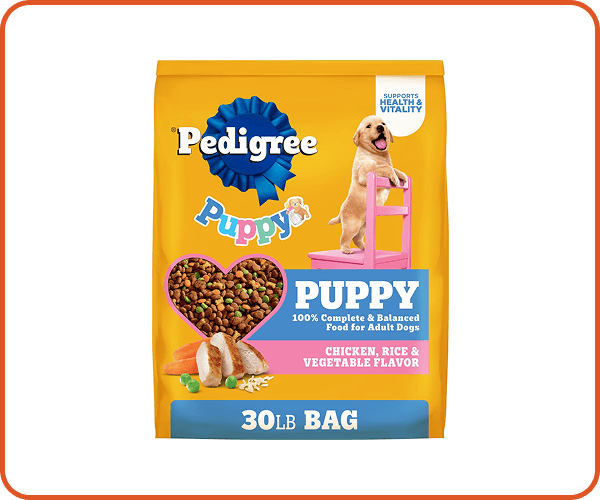
Read Review →An accessible budget puppy kibble with DHA and 27% protein, but corn leads the ingredient list and BHA, BHT, and four ar…
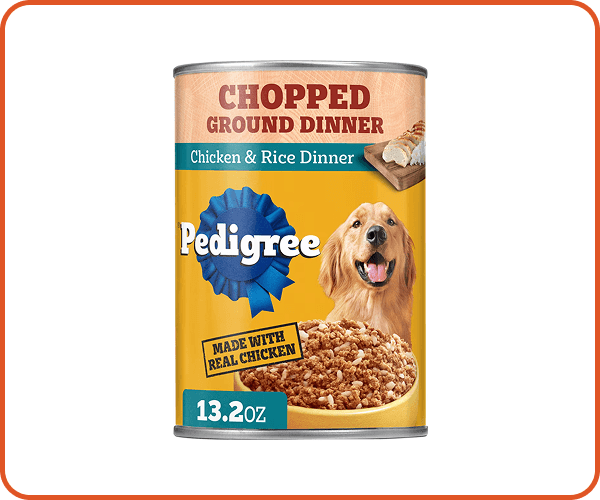
Read Review →The grocery-store staple that millions of dogs eat daily — a short ingredient list with real chicken first and a price t…
Read Review →