| 🥩 Food Type | Dry Food |
| 📅 Life Stage | Kitten |
| 💪 Health Needs | Immune Support|Digestive Health |
| 🏷️ Brand | Iams |
| ⭐ Our Rating | 4.5 / 5 |
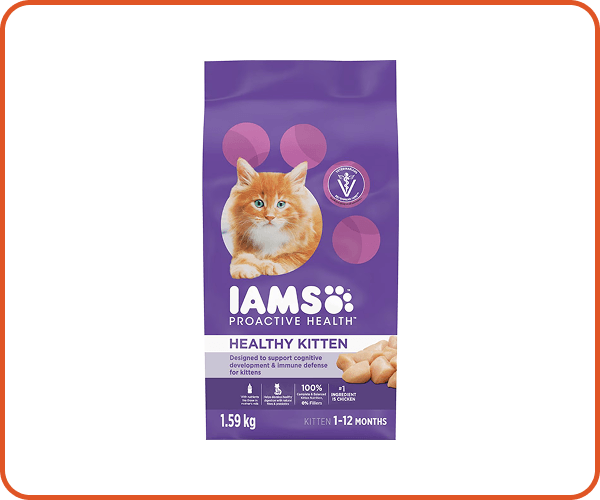
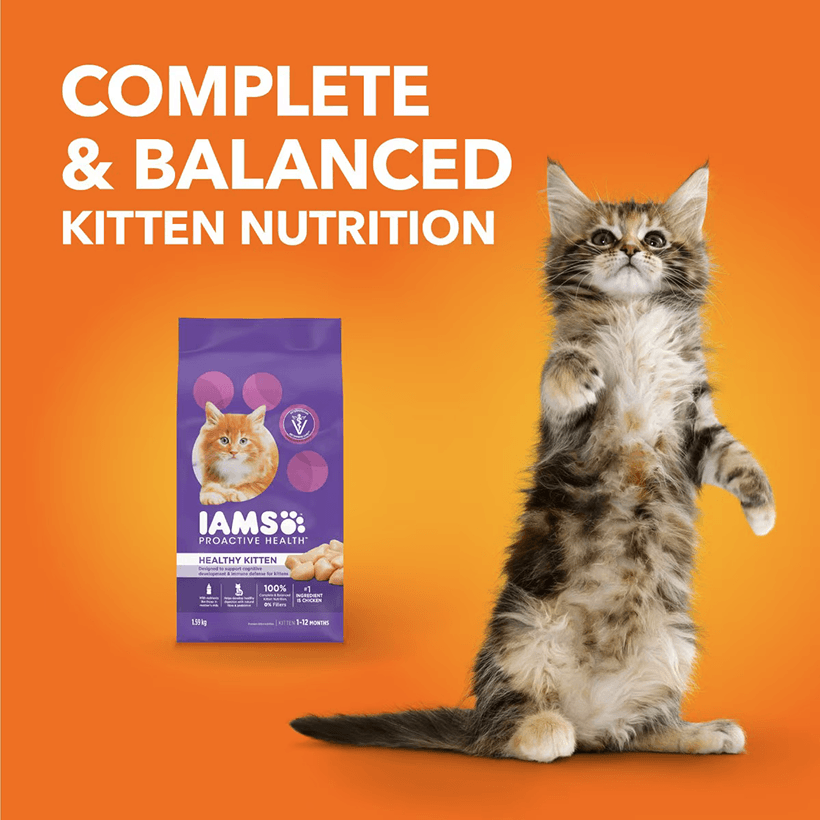
This Iams Proactive Health Healthy Kitten Chicken review covers a formula from one of the oldest pet food brands in the United States — a company that has been formulating animal nutrition since 1946, decades before "premium pet food" became a consumer category. Iams was founded by Paul Iams in Dayton, Ohio, originally as a small animal nutrition business. The brand was acquired by Procter & Gamble in 1999 and then sold to Mars Petcare in 2014, making it a sibling to Royal Canin, Pedigree, Cesar, Eukanuba, and Nutro under the same corporate umbrella. That lineage matters because Iams formulations draw on Mars Petcare's global research infrastructure — the Waltham Petcare Science Institute in the UK, one of the largest companion animal nutrition research centers in the world.
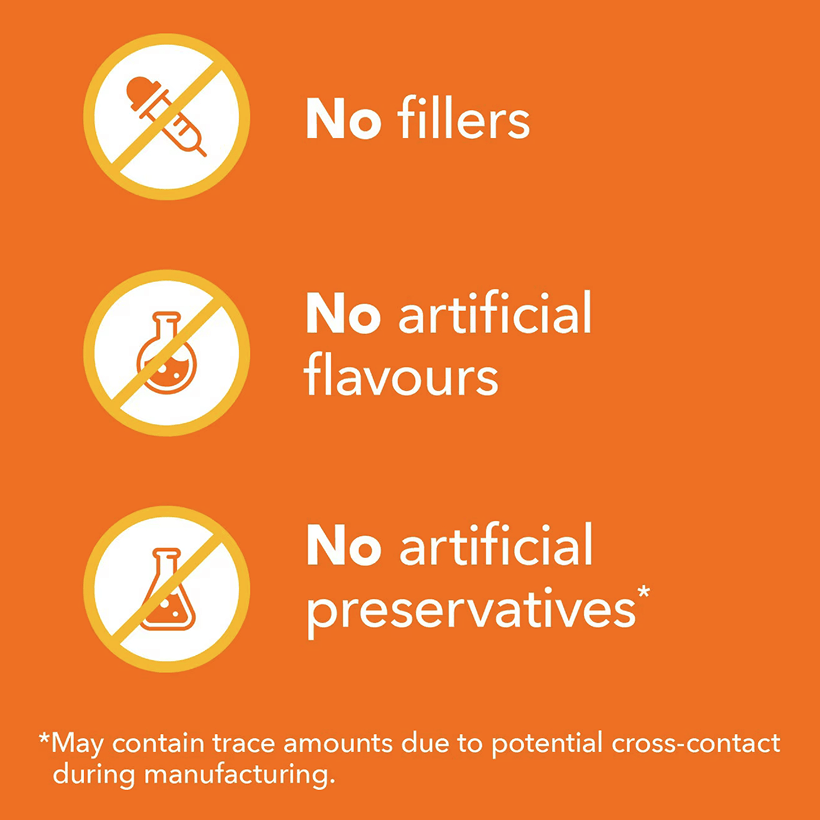
The Healthy Kitten formula targets cats from 1 to 12 months old and meets AAFCO Cat Food Nutrient Profiles for growth, gestation, and lactation — meaning it is appropriate not only for kittens but also for pregnant and nursing queens. All Iams products are manufactured in the United States, and the brand markets itself as containing "0% fillers," a claim that requires some unpacking given the ingredient panel.
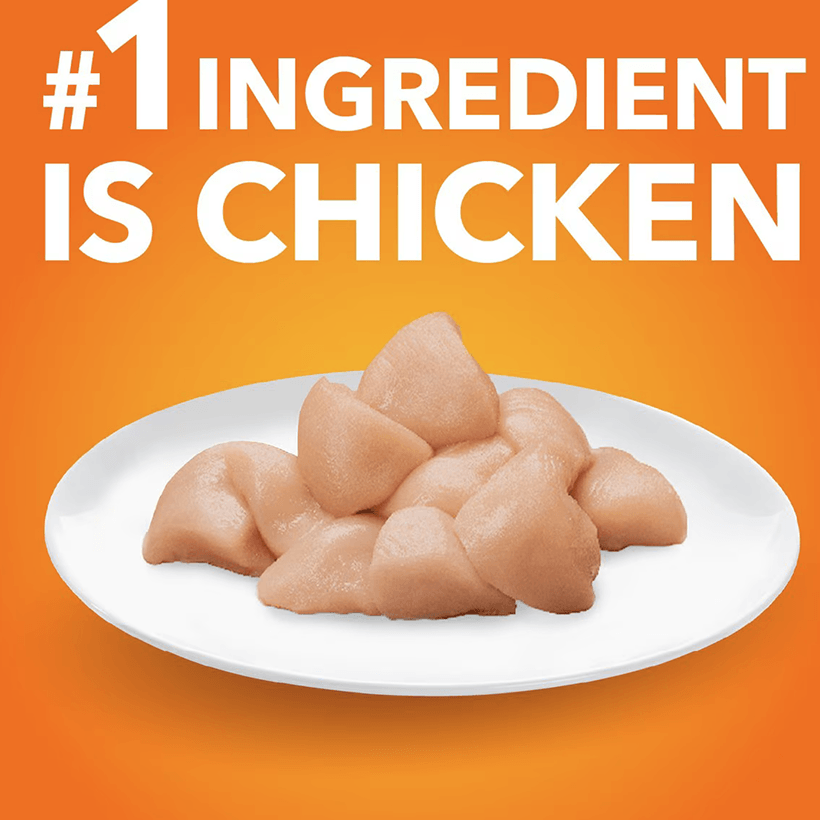
Chicken holds the first position — whole muscle meat providing high-quality protein and essential amino acids critical for growth. Chicken by-product meal follows in second position, a concentrated protein source made from rendered chicken parts including organs, necks, and bones. By-product meal is nutrient-dense and provides calcium and phosphorus from bone content — both essential for skeletal development in growing kittens. However, the lack of transparency about which specific parts are used means quality varies, and the ingredient carries the negative consumer perception that attaches to all by-product designations.
Ground whole grain corn and ground sorghum occupy positions three and four — two grain-based carbohydrate sources that provide energy and B-vitamins. Corn gluten meal appears sixth, functioning as a plant-based protein booster that increases the total protein percentage on the guaranteed analysis. This is a significant detail: with both chicken by-product meal and corn gluten meal supplementing the protein total, the amount of protein derived specifically from whole chicken muscle meat is lower than the 33% headline number suggests. The "0% fillers" claim technically holds because Iams defines fillers as ingredients with no nutritional purpose — corn provides calories and nutrients — but many consumers consider corn and corn gluten meal to be functional fillers regardless of the marketing distinction.
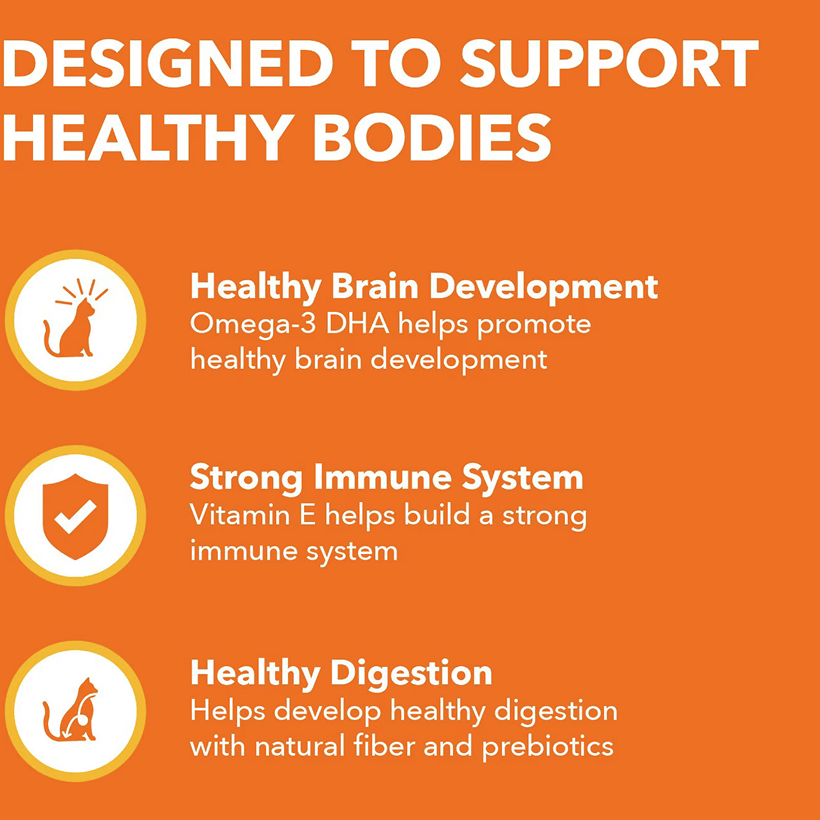
Chicken fat preserved with mixed tocopherols provides essential fatty acids and the caloric density that growing kittens require. Dried plain beet pulp serves as a prebiotic fiber source, promoting healthy gut bacteria and stool formation — particularly important for kittens transitioning from mother's milk to solid food. Fish oil provides the DHA omega-3 fatty acid that Iams highlights prominently on the packaging for brain and cognitive development. Dried egg product adds another animal protein source. Fructooligosaccharides (FOS) provide additional prebiotic support, and taurine — listed at the tail of the ingredient panel but guaranteed at 0.15% — addresses the amino acid that cats cannot synthesize and that is essential for cardiac function, vision, and reproductive health.
The guaranteed analysis:
Dry matter basis with 10% moisture:
Kittens are not small adult cats — they are growth machines that can triple their birth weight in the first three weeks and reach 75% of adult size by six months. That growth requires protein for muscle and organ development, fat for energy and cell membrane construction, and caloric density high enough to fuel rapid metabolic demands in a stomach the size of a walnut. At 36.7% DMB protein and 23.3% DMB fat, this formula meets AAFCO growth minimums comfortably and delivers the caloric intensity kittens need. The 4,015 kcal/kg or 512 kcal per cup is among the highest caloric densities in the kitten kibble category — meaning kittens need smaller volumes per meal, which suits their tiny stomachs.
The guaranteed DHA at 0.05% targets neural and retinal development during the critical first months of life, sourced from fish oil. Taurine at 0.15% as-fed (0.17% DMB) exceeds AAFCO's minimum — essential since taurine deficiency in kittens causes dilated cardiomyopathy and central retinal degeneration, both irreversible if not caught early. The calcium-to-phosphorus ratio at 1.2:0.8 (1.5:1) sits within the ideal range for skeletal development without the excess calcium that can cause growth abnormalities in young cats.
Docosahexaenoic acid — DHA — is an omega-3 fatty acid that constitutes a significant portion of the brain's structural fat and the retina's photoreceptor membranes. During the first year of life, a kitten's brain undergoes explosive development: synaptic connections form at rates that will never be matched in adulthood, and the neural architecture established during this period determines cognitive capacity, learning ability, and sensory processing for the rest of the cat's life.
Iams guarantees DHA at 0.05% minimum from fish oil. This level is modest compared to premium kitten formulas — Purina Pro Plan Kitten guarantees higher DHA from fish oil, and some ultra-premium brands like Orijen Kitten deliver DHA through whole-prey inclusions. However, 0.05% exceeds what many budget kitten foods provide (some guarantee none at all), and research from the Waltham Petcare Science Institute supports that even moderate DHA supplementation during growth produces measurable cognitive benefits in kittens compared to DHA-free diets. The inclusion of DHA alongside the omega-6 to omega-3 ratio of 10:1 supports both brain development and the inflammatory regulation that kittens need as their immune systems mature.
Iams produces a small, rounded kibble specifically sized for kitten mouths and developing teeth. The pieces are small enough for an 8-week-old kitten to pick up and crunch without difficulty, yet firm enough to provide the mechanical tooth-cleaning benefit that kibble offers over soft food alone. Owners transitioning kittens from wet food or mother's milk frequently soften the kibble with warm water for the first few weeks — a practice Iams supports and one that most veterinarians recommend during the weaning period.
Palatability feedback across retailers is consistently positive. Kittens tend to accept this formula readily, and owners of rescue kittens, foster litters, and newly adopted cats describe quick acceptance even in kittens that have been on different foods. The chicken fat coating creates an aroma that appeals to most young cats. Several breeders in Chewy reviews mention using Iams Kitten as their standard weaning food across multiple litters, citing consistent acceptance and healthy growth outcomes over years.
Iams' most recent cat food recall occurred in 2013 for potential Salmonella contamination. Before that, recalls in 2010 addressed both a thiamine (vitamin B1) deficiency in certain canned cat foods — which can cause serious neurological damage — and a separate Salmonella concern. A 2012 recall covered aflatoxin contamination in both cat and dog food. Since 2013, Iams has maintained a clean recall record for over a decade, suggesting that the quality control improvements implemented after the 2010–2013 period have been effective. Manufacturing takes place in the United States at Mars Petcare facilities, and all Iams products undergo the quality control infrastructure that Mars applies across its brands.
Purina Pro Plan Kitten Chicken is the most direct competitor — similar price tier, chicken-first, and backed by extensive AAFCO feeding trials. Pro Plan delivers 42% protein (46.7% DMB) — significantly more than Iams' 36.7% DMB — and guarantees higher DHA levels from fish oil. Pro Plan also includes live probiotics, which Iams does not. For owners who prioritize protein density and clinical research backing, Pro Plan offers measurably more per dollar. However, Pro Plan also includes soy and poultry by-product meal, so the ingredient panel trade-offs are similar in nature if not in degree.
Hill's Science Diet Kitten Chicken takes the evidence-based approach furthest, with formulations developed by 220+ veterinary scientists and validated through feeding trials rather than formulation alone. Hill's delivers comparable protein with a strong emphasis on clinically proven DHA levels for brain development. The price point runs slightly higher than both Iams and Pro Plan, and the ingredient panel includes corn and by-products — the same categories that draw consumer criticism across all three brands.
Where Iams holds its position is the combination of price accessibility, high caloric density, and wide availability. At approximately $2.50 per pound for the 16-lb bag, it undercuts both Pro Plan and Hill's while delivering adequate nutrition for kitten growth. For multi-kitten households, shelter and rescue operations, and breeders managing litters, that cost difference compounds significantly.
Iams provides age-based feeding guidelines. The formula meets AAFCO Cat Food Nutrient Profiles for growth, gestation, and lactation.
| Kitten Age | Cups Per Day | Meals Per Day |
|---|---|---|
| Up to 8 weeks | ⅓ | 3 – 4 |
| 12 weeks | ½ | 3 – 4 |
| 16 weeks | ½ | 3 – 4 |
| 24 weeks | ½ | 2 – 4 |
| 32 weeks | ½ | 2 – 4 |
| 40 weeks | ½ | 2 – 4 |
At 512 kcal per cup, portions stay small even during peak growth phases — a practical advantage for kittens whose stomachs cannot handle large volumes. Kittens under 24 weeks should eat 3–4 meals per day to maintain stable blood sugar and sustained energy for growth. After 24 weeks, 2–4 meals daily is appropriate as the growth rate slows. Free-choice feeding — leaving kibble available throughout the day — is acceptable for kittens under 12 months since the risk of overeating is low during active growth, though monitoring body condition is still important for breeds predisposed to obesity. Iams recommends a 4-day gradual transition when introducing this formula. Always ensure fresh water is available, especially with dry-food-only diets where hydration from food is minimal.
Iams Proactive Health Healthy Kitten Chicken delivers the macronutrients, DHA, taurine, and caloric density that growing kittens need, from a brand with eight decades of formulation experience and over ten years of clean manufacturing record. The 36.7% DMB protein and 23.3% DMB fat support rapid growth without requiring large meal volumes. The prebiotic fiber blend from beet pulp and FOS addresses the digestive sensitivity that characterizes the weaning period. The price point makes it accessible for multi-kitten households, breeders, and rescue organizations that need reliable nutrition at scale.
The ingredient compromises are clear-eyed: corn in two forms and corn gluten meal as a protein booster place this firmly in the mid-market tier, not the premium one. Chicken by-product meal provides functional nutrition but lacks the transparency of named organ meats. The "0% fillers" claim is technically defensible but rhetorically generous. And the DHA guarantee at 0.05%, while present and meaningful, is modest compared to what competitors like Purina Pro Plan deliver for similar money. For the kitten owner who wants solid, science-backed nutrition without premium pricing, Iams earns its place. For the owner who wants meat-first transparency and higher guaranteed DHA, the premium tier starts one shelf up.
Ready to try Iams?
Check Best Price →Some links on this page are affiliate links. We may earn a small commission at no extra cost to you.
Yes. The formula meets AAFCO Cat Food Nutrient Profiles for growth, gestation, and lactation, making it suitable for pregnant queens and nursing mothers as well as kittens aged 1–12 months.
Iams defines fillers as ingredients with no nutritional value. All ingredients in the formula provide calories, protein, fiber, or micronutrients. However, critics note that corn and corn gluten meal — while technically nutritious — function primarily as inexpensive carbohydrate and protein sources that some consumers consider functional fillers.
Iams recommends transitioning to an adult cat food at approximately 12 months of age. The transition should be gradual over 4–7 days, mixing increasing proportions of the adult food with decreasing amounts of the kitten formula.
Yes. Taurine is guaranteed at 0.15% as-fed (approximately 0.17% dry matter basis), exceeding AAFCO's minimum requirement for growth. Taurine is an essential amino acid for cats that supports cardiac function, vision, and reproductive health.
Yes. For kittens transitioning from mother's milk or wet food, adding warm water to the kibble and allowing it to soften for 5–10 minutes creates a porridge-like consistency that weaning kittens can manage. Gradually reduce the water over several weeks as the kitten's teeth develop.