| 🥩 Food Type | Dry Food |
| 📅 Life Stage | Adult |
| 💪 Health Needs | Weight Management | Digestive Health | Urinary Tract & Kidneys |
| 🏷️ Brand | Royal Canin |
| ⭐ Our Rating | 4.7 / 5 |
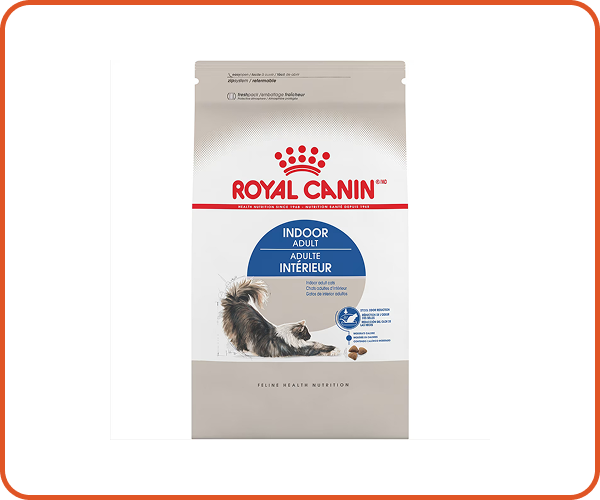
The question most owners of indoor cats eventually ask isn't "what's the healthiest cat food?" — it's "why does my cat's litter box smell so bad?" That very specific, very real problem is exactly what Royal Canin Indoor Adult Dry Cat Food was engineered to solve. This Royal Canin Indoor Adult review breaks down whether this formula actually delivers on its targeted promises or whether it's just premium packaging around mediocre nutrition.
Founded in France in 1968 by veterinarian Jean Cathary, Royal Canin built its reputation on the idea that nutrition should be as specific as medicine. Today, the brand operates under Mars Petcare and employs over 450 scientists, nutritionists, and veterinarians globally. Indoor Adult sits within its Feline Health Nutrition line — a retail-facing collection designed around lifestyle rather than breed. The formula targets adult indoor cats between 1 and 7 years old, a demographic with very particular metabolic challenges: low caloric expenditure, increased grooming (and thus increased hairball risk), and the sluggish intestinal transit that comes from spending 16 hours a day on a sofa.
Royal Canin does not position this as a premium meat-first formula. It positions it as a precision health tool, and that distinction matters when evaluating the ingredient list.
The digestibility argument comes first, because that's what Royal Canin leads with. The brand uses the term L.I.P. (Low Indigestible Protein) — proteins selected for exceptionally high digestibility — as a key selling point. In this formula, those proteins come primarily from chicken meal as the first ingredient, followed by wheat gluten and egg product further down the list. Wheat gluten, while controversial among grain-skeptic owners, is noted by Royal Canin as being approximately 99% digestible, which supports the L.I.P. claim on a functional level.
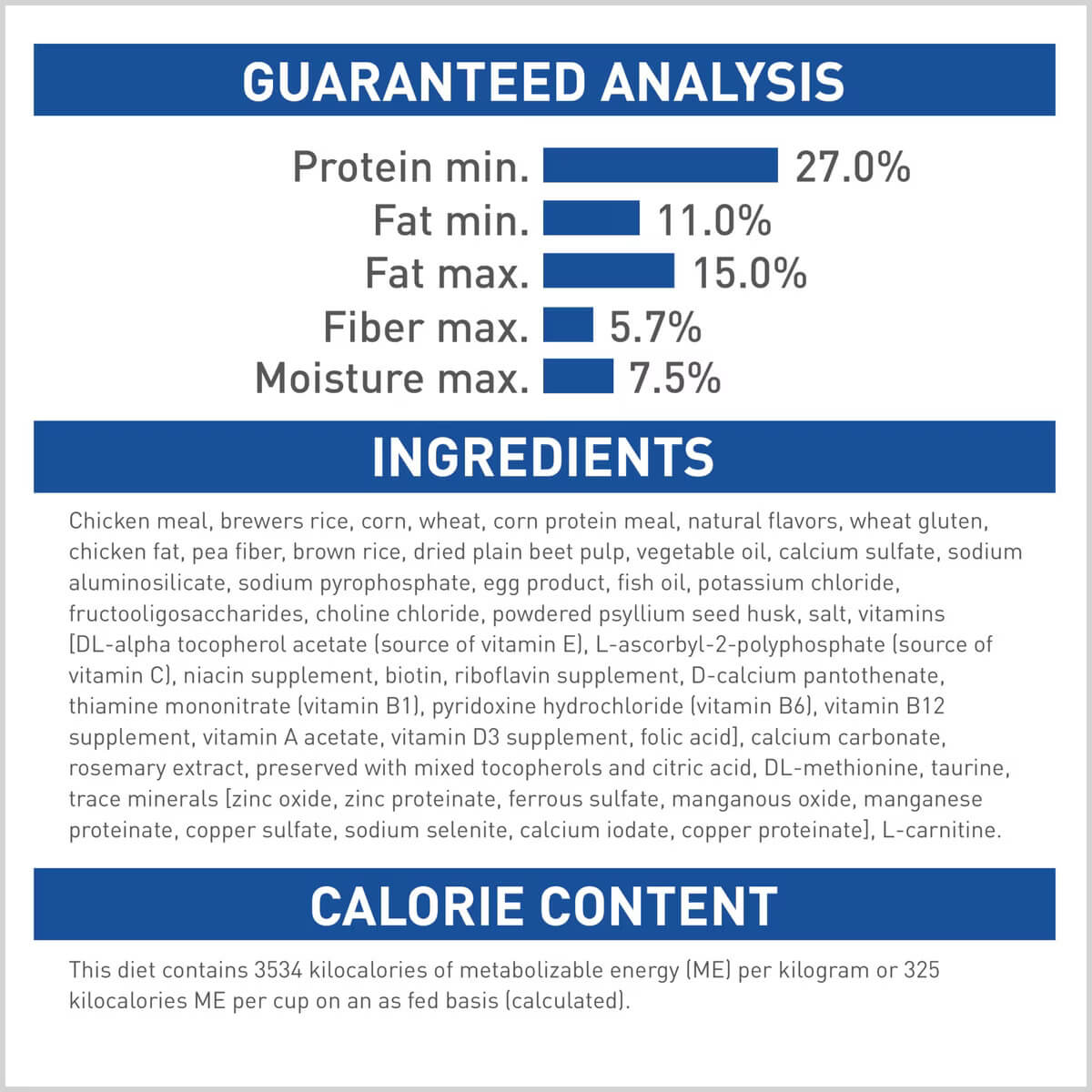
The carbohydrate section is where opinions split. Corn, brewers rice, corn gluten meal, wheat, brown rice, and rice hulls appear prominently in the first half of the ingredient list. Grain-forward formulas are not inherently harmful to cats — cats are obligate carnivores, but small amounts of digestible carbohydrates are widely used as energy substrates. The concern is not toxicity but ingredient ranking: corn appears as the second ingredient, placing it above several protein sources. For cat owners prioritizing animal-based nutrition, this is the formula's most contested design choice.
The fiber system is genuinely multi-layered. Pea fiber, rice hulls, dried plain beet pulp, and psyllium seed husk each contribute differently — some absorb water and bulk stool, others act as prebiotics, and psyllium specifically helps move ingested hair through the digestive tract. Fructooligosaccharides (FOS) function as a prebiotic to support microbiome balance. Fish oil provides omega-3 fatty acids for skin and coat support. The complete ingredient list, as verified from official sources, is:
Chicken meal, corn, brewers rice, corn gluten meal, wheat, chicken fat, wheat gluten, natural flavors, brown rice, pea fiber, rice hulls, dried plain beet pulp, vegetable oil, calcium sulfate, grain distillers dried yeast, sodium silico aluminate, fish oil, potassium chloride, fructooligosaccharides, sodium pyrophosphate, psyllium seed husk, salt, DL-methionine, choline chloride, egg product, calcium carbonate, vitamins [DL-alpha tocopherol acetate (source of vitamin E), L-ascorbyl-2-polyphosphate (source of vitamin C), niacin supplement, biotin, riboflavin supplement, D-calcium pantothenate, thiamine mononitrate (vitamin B1), pyridoxine hydrochloride (vitamin B6), vitamin A acetate, vitamin B12 supplement, folic acid, vitamin D3 supplement], taurine, trace minerals [zinc oxide, zinc proteinate, ferrous sulfate, manganous oxide, manganese proteinate, copper sulfate, calcium iodate, sodium selenite, copper proteinate], L-carnitine, rosemary extract, preserved with mixed tocopherols and citric acid.
Sodium pyrophosphate targets dental tartar by chelating the calcium that contributes to plaque formation. Taurine is present as a required amino acid for feline cardiac and retinal health. L-carnitine supports fat metabolism — relevant for a low-activity cat prone to weight gain. The preservative system uses mixed tocopherols and rosemary extract, both natural options.
The following values are sourced directly from the Royal Canin US product page and confirmed across Petco and Chewy listings:
Converting to dry matter basis (removing the 8% moisture to allow comparison with wet foods):
At 29.3% protein on a dry matter basis, this formula meets but does not exceed AAFCO minimum requirements for feline adult maintenance. For comparison, many grain-free competitors advertise 35–40% DMB protein. The 325 kcal per cup figure is notably moderate — an intentional design choice for cats with reduced daily activity.
Royal Canin designed this formula around four interconnected health priorities that define the indoor cat experience, and each deserves a direct look at how the formulation supports it.
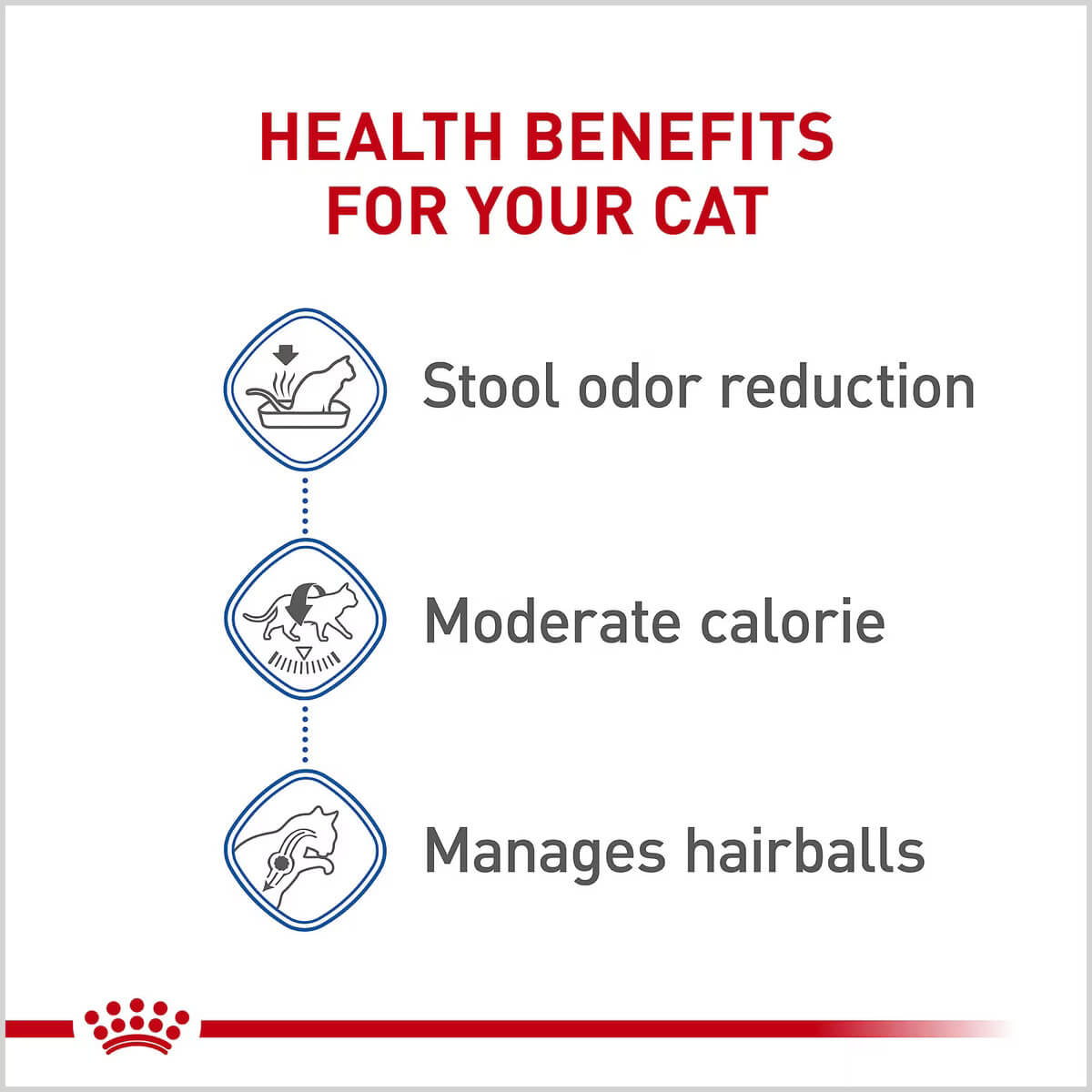
Stool odor reduction is the flagship claim. The combination of L.I.P. proteins, FOS prebiotics, and zeolite-like ingredients (sodium silico aluminate) works to reduce hydrogen sulfide in the colon — the primary compound responsible for foul-smelling waste. Royal Canin has cited a 60% reduction in stool hydrogen sulfide in internal studies, though independent replication of this specific figure is limited.
Weight management is addressed through the controlled fat ceiling. The moderate calorie count of 325 kcal per cup positions this well below high-energy performance formulas, without going into therapeutic low-calorie territory. L-carnitine supports the conversion of fat into usable energy.
Hairball management relies on the layered fiber approach — pea fiber, beet pulp, and psyllium work together to move swallowed hair through the digestive tract rather than allowing it to accumulate and be regurgitated. This mechanism is genuinely functional and widely reported positively in consumer feedback.
Dental health is supported through kibble engineering. The triangular-shaped kibble is specifically designed to encourage chewing and create a mild abrasive action on tooth surfaces. Sodium pyrophosphate adds a chemical dimension by binding calcium before it deposits as tartar.
The triangular kibble shape is not an aesthetic choice — it is one of the most discussed physical features among Indoor Adult users. Multiple verified Petco reviews mention that their cats have a strong preference for the shape, with at least one user noting their cat selects intact triangles and leaves broken pieces behind. This level of preference is unusual and speaks to both aroma and texture rather than shape alone.
The kibble is described as medium-firm — not excessively hard, which is relevant for cats prone to dental sensitivity, but structured enough to promote the intended chewing behavior. Ash content of 8.4% is slightly on the higher end compared to some competitors, which is worth noting for cats with a history of urinary issues, though the formula does include mineral management features for urinary pH.
Palatability is generally rated highly. This is a formula cats tend to accept readily, particularly those transitioning from shelter environments where Royal Canin is commonly fed. Picky eaters do exist, but the failure rate reported in consumer feedback is not unusually high for this category.
Royal Canin operates its own manufacturing facilities in the United States, Europe, and Asia, with strict quality protocols at each stage. The brand conducts over 500,000 analyses per year on raw materials and finished products, according to official company disclosures. Bags are flushed with nitrogen rather than vacuum-sealed — a detail that causes occasional consumer confusion when packaging appears compressed, but which Chewy's product Q&A confirms is safe and intentional.
As of the time of writing, Royal Canin Indoor Adult has no active recalls. The brand's broader recall history has been minimal relative to its production volume, and its veterinary-grade manufacturing pedigree is frequently cited by vet professionals as a reason for recommending these retail formulas.
The three dominant science-backed indoor cat formulas on the market are Royal Canin Indoor Adult, Hill's Science Diet Adult Indoor, and Purina Pro Plan Adult Indoor Hairball & Weight Management. All three share a grain-inclusive, veterinary-adjacent positioning, but differ meaningfully in ingredient architecture.
Hill's Science Diet Indoor leads with chicken as the first ingredient, giving it a slight edge in perceived protein sourcing, though its overall protein percentage (30% DMB) is comparable to Royal Canin's 29.3%. Purina Pro Plan Indoor leads with chicken at 40% crude protein — considerably higher — and uses salmon as a secondary protein. However, Pro Plan's caloric density is also higher (approximately 373 kcal/cup), which matters for weight-prone cats. Royal Canin's moderate calorie count and stool-specific engineering give it a distinct advantage for cats whose primary owner complaints involve litter box odor rather than protein quantity.
For owners who want meat-first labeling and higher protein percentages, Pro Plan or grain-free alternatives like Wellness CORE Indoor are worth considering. For owners whose primary concern is digestive comfort and odor — especially in multi-cat households — Royal Canin Indoor Adult holds a real functional advantage.
This formula is well-suited for adult cats between 1 and 7 years old who live exclusively indoors, have no diagnosed food allergies, and whose owners struggle with litter box odor, hairballs, or mild weight management. It is also a reliable choice for cats transitioning from a shelter environment, where Royal Canin is often already in use.
It is not the right choice for cats with diagnosed grain sensitivities or wheat allergies, since wheat and corn both appear high on the ingredient list. Cats with chronic urinary tract issues should be evaluated by a veterinarian before starting this formula due to the 8.4% ash content — though the formula does include sodium pyrophosphate and mineral management features. Owners who prioritize high-meat, grain-free nutrition as a philosophical baseline will find the ingredient profile disappointing regardless of its functional merits.
Across verified reviews on Petco, Chewy, and Zooplus, the dominant positive pattern is consistent: owners report noticeable reductions in litter box odor within weeks of switching, and hairball incidents decline significantly for most cats. A vet tech reviewer on Petco described her cat as never having vomited a single hairball in five years on this diet, attributing it directly to the fiber system. Multiple owners report cats actively preferring this formula after trying grain-free alternatives.
Negative feedback clusters around two themes. A small number of cats experienced vomiting during transition — sometimes attributed to kibble size being larger than previous brands — and a subset of reviewers cite the grain-heavy ingredient profile as the reason they switched away, despite positive digestive outcomes. Price sensitivity is a recurring theme: at roughly $3.80–$6.66 per pound depending on bag size, it is more expensive than grocery store options, and some owners describe returning to Royal Canin after cheaper alternatives caused digestive regressions.
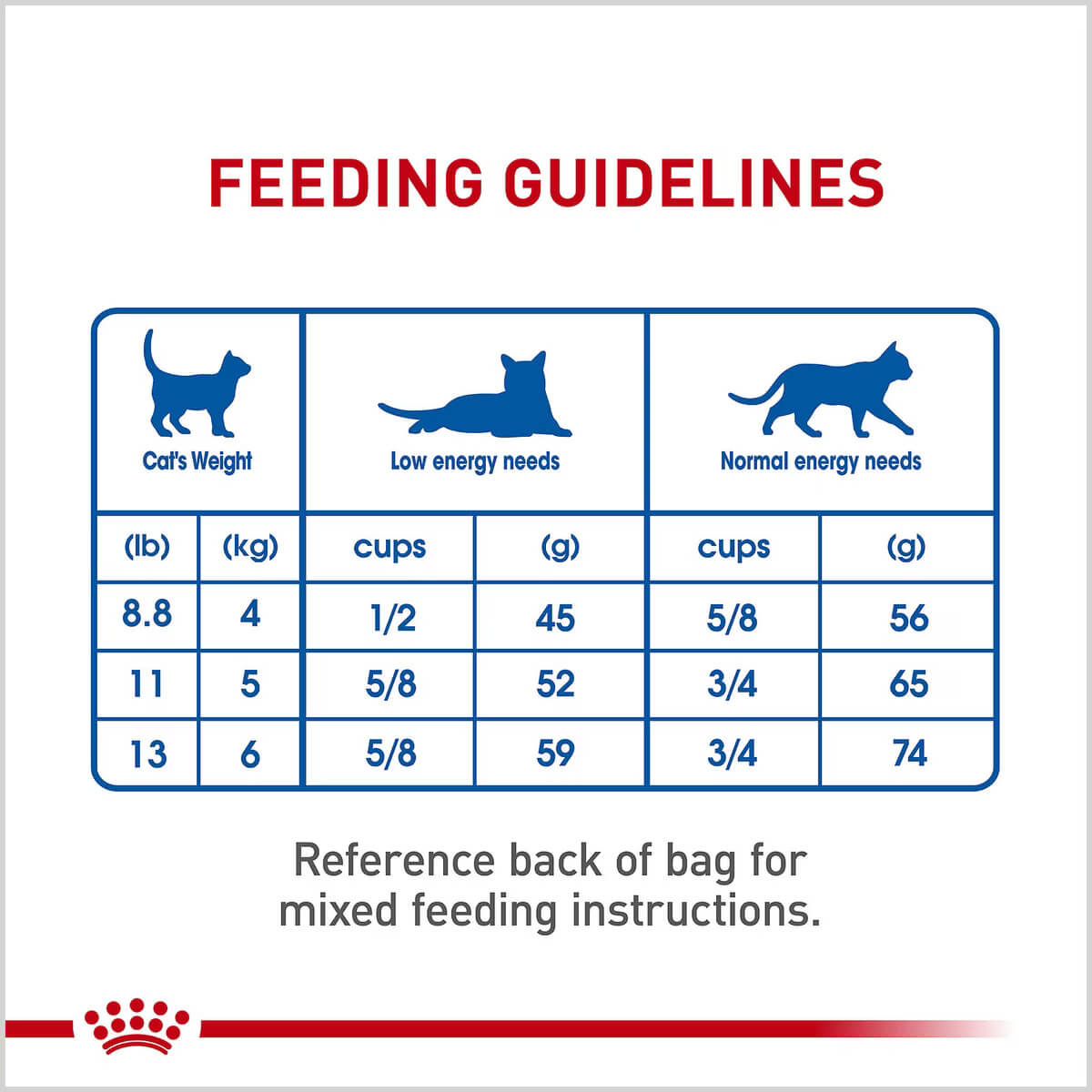
Royal Canin recommends a 7-day transition period before feeding Indoor Adult exclusively. The protocol, confirmed on both the Royal Canin site and Petco listing, is structured as follows:
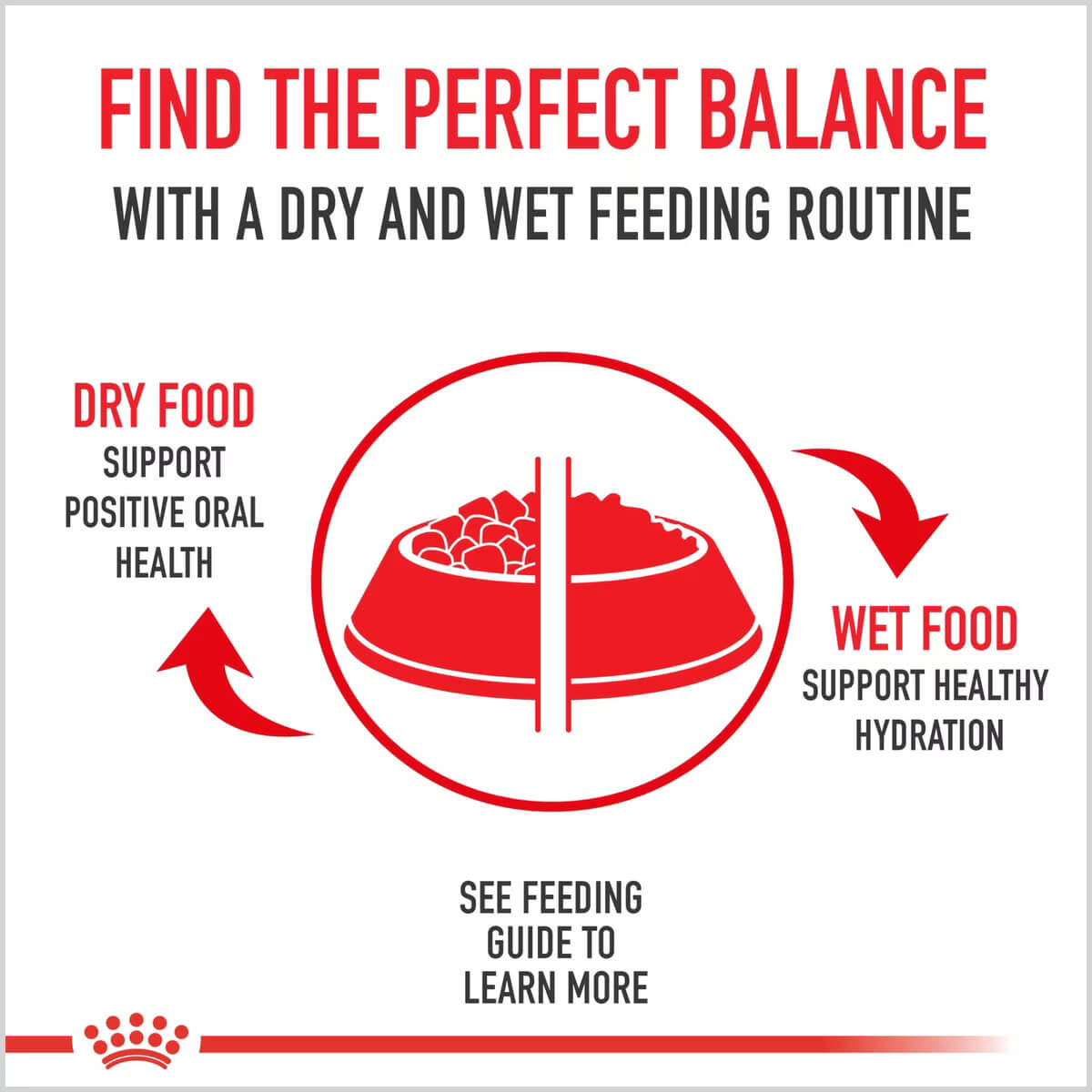
For daily feeding amounts, the 15 lb bag contains approximately 70 cups of food per Petco's official listing. Royal Canin advises adjusting portions based on the cat's individual weight, age, and activity level. A 159 kcal per 45g (approximately ⅔ cup) serving is cited in Petco's verified Q&A. Mixing with Royal Canin's Adult Instinctive wet food is officially recommended for cats who prefer wet textures or benefit from increased moisture intake.
Royal Canin Indoor Adult Dry Cat Food is one of the most purpose-built formulas on the retail market for the indoor lifestyle. Its digestive engineering — the multi-fiber hairball system, the L.I.P. protein approach, the stool odor reduction mechanism — is not marketing language. These are measurable functional outcomes backed by internal research and widely confirmed in owner feedback. The 325 kcal per cup, 27% minimum protein, and 11–15% fat range are deliberately moderate figures calibrated for low-activity cats.
The honest trade-off is ingredient quality optics. Corn as the second ingredient and the presence of corn gluten meal and wheat gluten will disqualify this formula for owners committed to meat-first nutrition. That criticism is fair. But for the specific cat this food was designed for — an adult indoor cat whose owners are tired of a smelly litter box and a sofa covered in hairball residue — few formulas on the retail shelf match its functional precision.
Ready to try Royal Canin?
Check Best Price →Some links on this page are affiliate links. We may earn a small commission at no extra cost to you.
Yes, Royal Canin Indoor Adult provides 100% complete and balanced nutrition for indoor cats aged 1–7, meets AAFCO standards, and is veterinarian recommended — it targets weight management, hairball control, stool odor, and dental health.
It depends on your priorities — Royal Canin offers strong science-backed functional benefits like hairball reduction and stool odor control, but its grain-heavy ingredient list may not justify the premium price for owners who prioritize meat-first formulas.
Yes, the formula uses a specialized blend of pea fiber, beet pulp, psyllium seed husk, and fish oil to facilitate the passage of ingested hair through the digestive tract, and many owners report significantly fewer hairball incidents.
Royal Canin products for the North American market are manufactured in the United States and Canada, with over 500,000 quality analyses performed annually on raw materials and finished products.
Indoor Adult is for cats aged 1–7, while Indoor 7+ is designed for cats over 7 years with added vitamin C, EPA, DHA for vitality, adapted phosphorus for kidney health, and softer kibble for easier chewing.