You've probably heard it from a fellow dog owner or seen it on a pet nutrition blog: "You should rotate your dog's food." The idea sounds logical — just as humans benefit from eating a variety of foods, shouldn't dogs? But is rotational feeding genuinely backed by science, or is it just another pet industry trend designed to sell more bags of kibble?
The answer, like most things in nutrition, isn't black and white. In this guide, we'll break down what rotational feeding for dogs actually is, what the science says about its benefits and risks, which dogs it's best suited for, and how to do it safely if you decide to try it.
What Is Rotational Feeding?
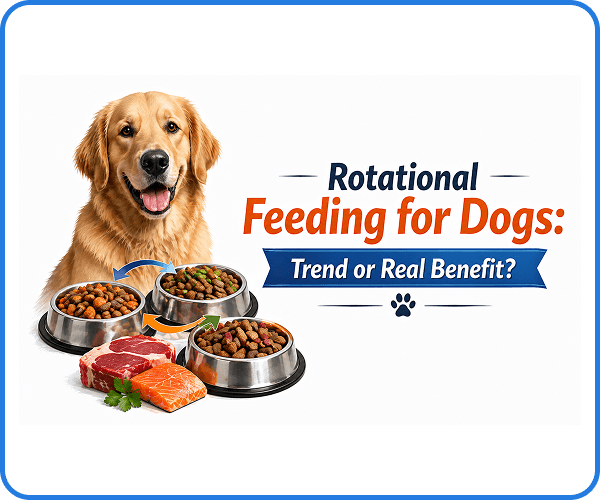
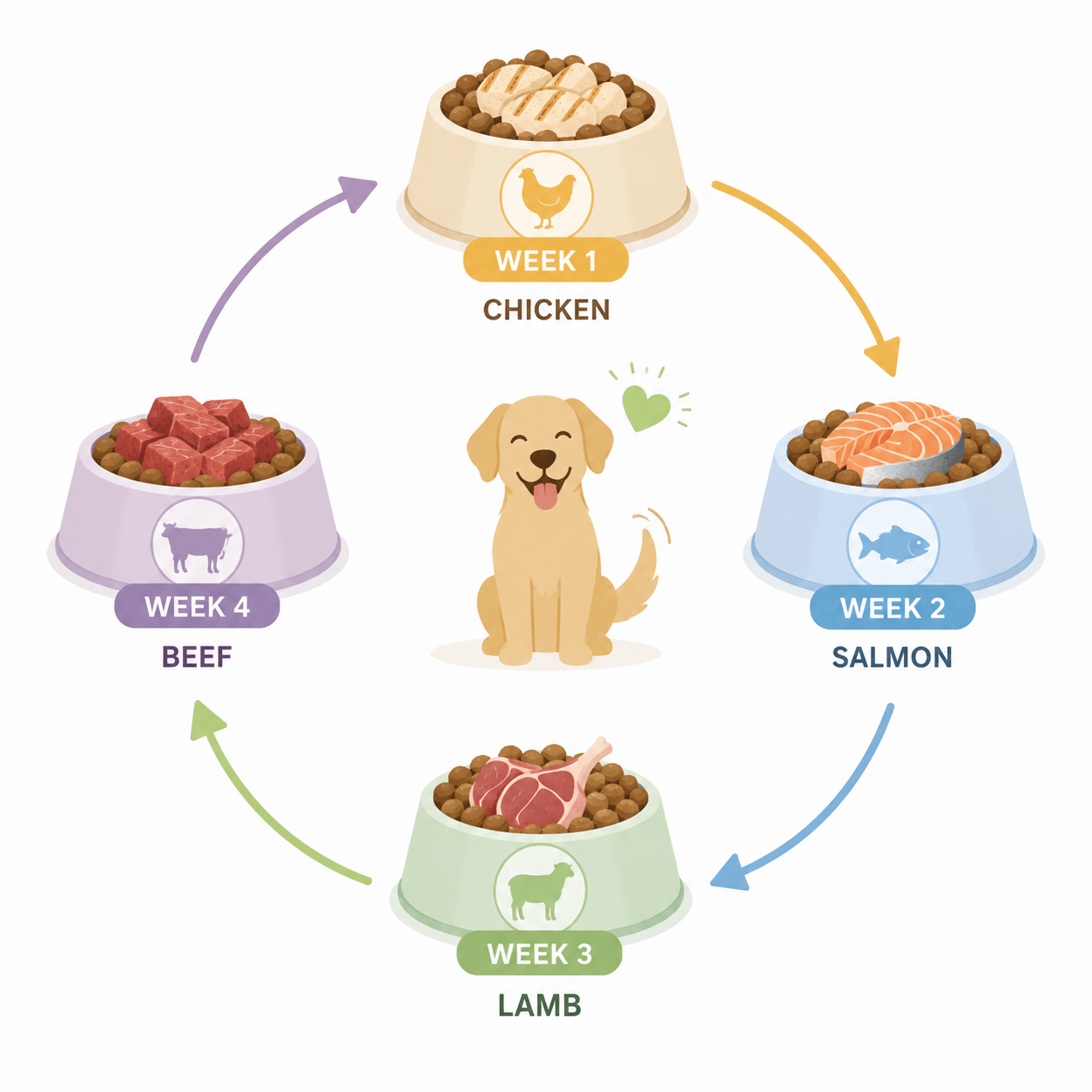
Rotational feeding is the practice of regularly switching between different dog foods rather than feeding the same formula every day for the dog's entire life. The "rotation" can involve changing proteins (chicken to beef to salmon), switching brands, alternating between food types (dry kibble, wet food, fresh food, raw), or a combination of all three.
The rotation schedule varies by owner preference. Some rotate daily, others switch weekly or monthly, and some follow a seasonal pattern — changing food every 2–3 months. There's no universally agreed-upon frequency, but most proponents recommend rotating every 2–4 weeks as a practical starting point.
It's important to distinguish rotational feeding from simply running out of one food and grabbing whatever's on sale. True rotational feeding is intentional and planned, with each food in the rotation selected for nutritional quality and complementary benefits.
The Case for Rotational Feeding: What the Science Says
Proponents of rotational feeding point to several potential benefits, and some of these are supported by emerging research.
Broader Nutritional Coverage
Every dog food — even the best ones — has a unique nutritional profile. While all AAFCO-compliant foods are "complete and balanced," the specific amounts and sources of amino acids, vitamins, minerals, and fatty acids vary between formulas. Chicken-based foods have a different amino acid profile than salmon-based foods. Lamb provides different micronutrients than venison.
By rotating between several high-quality formulas, your dog gets exposure to a wider spectrum of nutrients over time — similar to how humans benefit from eating a varied diet rather than the same meal every day. This is perhaps the strongest argument for rotational feeding.
Reduced Risk of Food Sensitivities
One of the most frequently cited benefits is the potential to reduce the development of food allergies and intolerances. The theory is straightforward: prolonged, continuous exposure to the same protein source may increase the chance of a dog's immune system developing an adverse reaction to that protein over time. By rotating proteins, no single ingredient stays in the diet long enough to become a trigger.
PetMD notes that rotational feeding reduces allergy risk because ingredients are not present in the diet long enough for the dog to develop an adverse reaction such as vomiting, diarrhea, or hives. While this logic is sound, it's worth noting that true food allergies are relatively rare in dogs — affecting fewer than 10–15% of all dogs with allergy symptoms. Most digestive issues are food intolerances, not immune-mediated allergies.
Gut Microbiome Diversity
This is where the science gets genuinely interesting. Research published in the Journal of Animal Science (2024) examined the impact of rotational ingredient supplements on canine gastrointestinal health. The study found that introducing diverse ingredients — even at low levels — could help dogs better withstand abrupt dietary changes, suggesting that dietary variety may build a more resilient gut.
A comprehensive review published in the Journal of Animal Science and Biotechnology (2025) confirmed that the canine gut microbiome plays a vital role in digestion, immune responses, energy metabolism, and even behavior. The review emphasized that diet is one of the key modulators of gut microbiota composition, and that different macronutrient profiles drive different microbial populations. A more diverse microbiome is generally associated with better overall health — in both dogs and humans.
Reduced Mealtime Boredom
This benefit is often dismissed as anthropomorphism, but there's legitimate behavioral evidence behind it. Dogs can and do become disinterested in food they eat every single day. Picky eating, slowed meal consumption, and food refusal are common in dogs fed the same formula for years. Rotational feeding introduces new flavors and textures that can reignite mealtime enthusiasm — particularly important for dogs recovering from illness or senior dogs with declining appetites.
Easier Emergency Transitions
Here's a practical benefit many owners overlook: if your dog has only ever eaten one food and that food is discontinued, recalled, or unavailable, switching to a new formula can cause significant digestive upset. Dogs accustomed to rotational feeding have digestive systems that are already adapted to handling variety, making emergency food switches far less disruptive.
The Case Against Rotational Feeding: Risks and Concerns
Rotational feeding isn't without drawbacks, and it's not appropriate for every dog. Here are the legitimate concerns.
Digestive Upset During Transitions
The most common problem is gastrointestinal distress — loose stools, gas, vomiting, or diarrhea — when switching between foods. Dogs' digestive systems produce specific enzymes and bacteria tailored to the food they regularly eat. Switching abruptly can overwhelm this system. This is why gradual transitions (7–10 days minimum) are critical, and why some dogs with inherently sensitive stomachs may never tolerate rotation well.
Not Suitable for Dogs on Prescription Diets
Dogs on veterinary prescription foods — for conditions like kidney disease, urinary issues, diabetes, or severe food allergies — should not rotate without explicit veterinary approval. These diets are formulated to manage specific medical conditions, and introducing other foods can undermine their therapeutic effect.
Nutritional Imbalances If Done Poorly
If you rotate between high-quality, AAFCO-compliant foods, nutritional balance isn't a concern — each food is independently complete. The risk arises when owners mix home-cooked meals, raw food, or supplements into the rotation without understanding the nutritional math. Unbalanced homemade diets can lead to deficiencies in calcium, phosphorus, taurine, and other essential nutrients over time.
Cost and Complexity
Buying multiple brands and protein sources is more expensive than sticking with one large bag of kibble. It also requires more planning — tracking transition schedules, monitoring stool quality, and storing multiple open bags properly. For busy households or multi-dog homes, this added complexity isn't always practical.
Rotational Feeding vs. Consistent Feeding: A Balanced View
| Factor | Rotational Feeding | Consistent Feeding |
|---|---|---|
| Nutritional diversity | Broader spectrum over time | Limited to one formula's profile |
| Allergy risk | May reduce long-term sensitivity | Prolonged exposure to same allergens |
| Gut microbiome | Potentially more diverse | Stable but less diverse |
| Digestive stability | Risk of upset during transitions | Consistent, predictable digestion |
| Mealtime excitement | Higher — new flavors and textures | May decline over time |
| Emergency adaptability | Gut already adapted to variety | High upset risk if food changes suddenly |
| Cost | Higher — multiple products needed | Lower — bulk buying one formula |
| Simplicity | Requires planning and monitoring | Simple and straightforward |
| Suitability for sensitive dogs | Risky without careful management | Often the safer choice |
Which Dogs Benefit Most from Rotational Feeding?
Rotational feeding isn't a one-size-fits-all solution. Based on veterinary recommendations and the available research, here are the dogs most likely to benefit:
Healthy adult dogs with no dietary restrictions — if your dog has a strong digestive system and no food allergies, rotation is the easiest and most rewarding. These dogs adapt quickly to new foods and reap the full spectrum of benefits.
Picky eaters — dogs that regularly lose interest in their food or eat reluctantly may respond dramatically to the novelty that rotation provides. New flavors and textures can transform mealtime from a chore into an event.
Puppies (started early) — it's much easier to build rotational tolerance in puppies than in adult dogs. PetMD recommends starting rotation while dogs are still young, as their digestive systems are more adaptable. Puppies introduced to variety early tend to have more resilient guts as adults.
Dogs with mild, undiagnosed sensitivities — if your dog occasionally has soft stools or mild skin irritation but no diagnosed allergy, rotation may help by reducing continuous exposure to potential triggers.
Which Dogs Should Avoid Rotational Feeding?
Dogs with diagnosed food allergies — these dogs need a strict, controlled diet. Rotation introduces variables that make it impossible to identify and avoid triggers.
Dogs on veterinary prescription diets — as mentioned above, therapeutic diets should not be disrupted without veterinary guidance.
Dogs with chronic GI conditions — inflammatory bowel disease, chronic pancreatitis, or other persistent digestive issues typically require dietary consistency, not variety.
Senior dogs with no rotation history — older dogs that have eaten the same food their entire lives may struggle to adapt. If you want to try, extend transitions to 3–4 weeks and introduce changes very slowly.
How to Start Rotational Feeding Safely
If you've decided rotational feeding is right for your dog, here's a step-by-step approach to doing it correctly.
Step 1: Choose 3–4 High-Quality Foods
Select foods that are all AAFCO-compliant (complete and balanced) and from reputable brands. Ideally, vary the primary protein source — for example, one chicken-based, one salmon-based, one lamb-based, and one beef-based formula. You can also include one wet food and one dry food for texture variety.
Step 2: Start with a Slow Transition
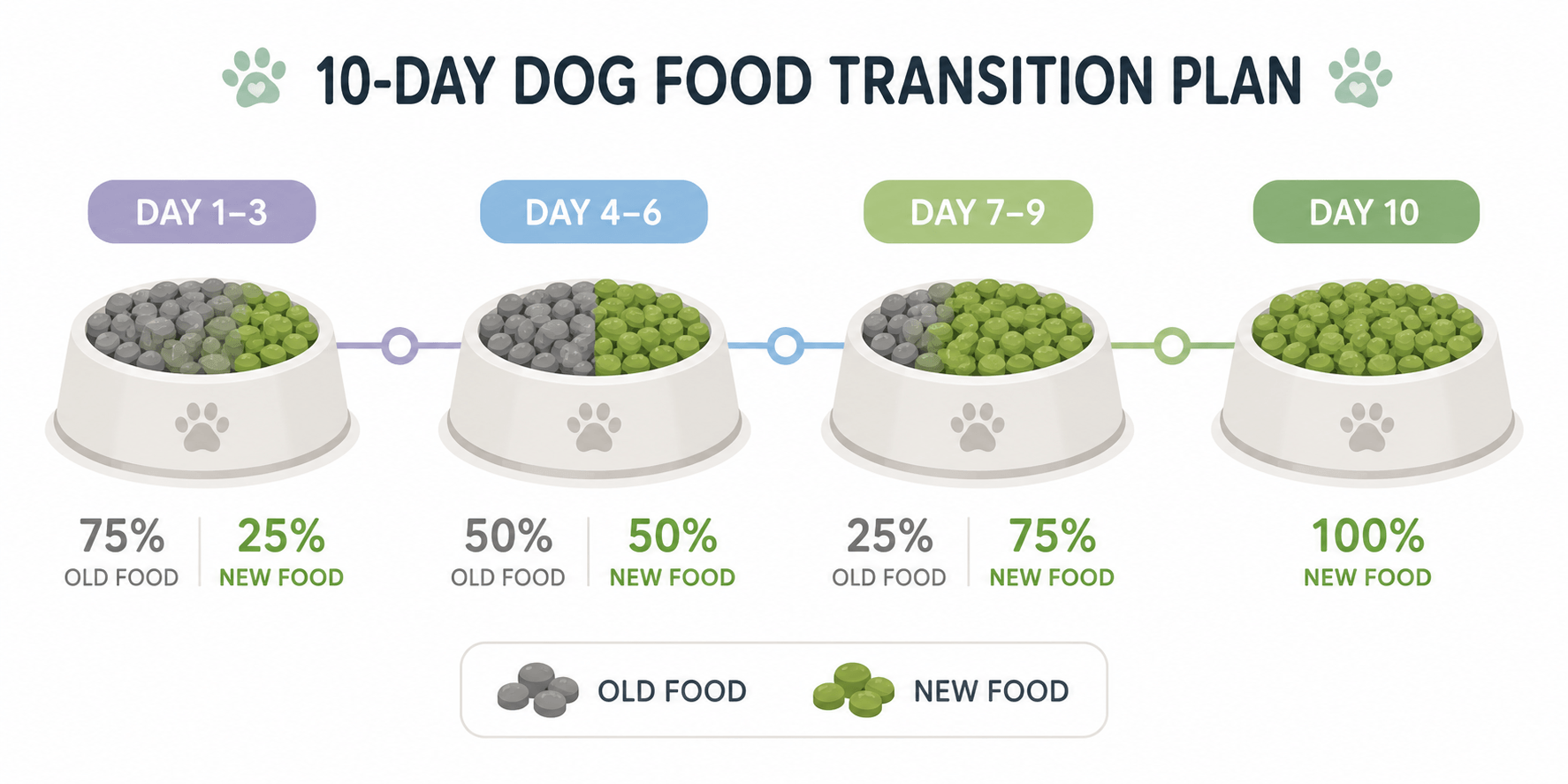
For your first rotation, use the standard 7–10 day transition method: Days 1–3 use 75% old food and 25% new food, Days 4–6 use a 50/50 mix, Days 7–9 use 25% old food and 75% new food, and Day 10 onward use 100% new food. Monitor stool quality throughout. Firm, well-formed stools mean the transition is going well.
Step 3: Keep a Feeding Diary
Track what you feed, when you switch, and any changes in stool quality, energy, coat condition, or behavior. This simple log becomes invaluable if your dog reacts poorly to a specific food — you'll know exactly which formula caused the issue.
Step 4: Establish a Rotation Schedule
Most experts recommend switching every 2–4 weeks. This gives your dog's digestive system enough time to fully adapt to each food before the next change. Rotating too frequently (daily) can cause chronic instability, while rotating too infrequently (every 6+ months) provides limited benefit.
Step 5: Monitor and Adjust
After 2–3 full rotations, you should notice that transitions become smoother and faster. Your dog's gut adapts to handling variety, and future switches may require only 3–5 days of transition instead of 10. If a particular food consistently causes problems, simply remove it from the rotation.
Common Rotational Feeding Mistakes to Avoid
Switching too fast — the number one mistake. Even experienced rotation feeders should transition gradually, especially with new brands or dramatically different formulas.
Rotating between low-quality foods — rotating between three bad foods doesn't create a good diet. Every food in the rotation should be independently high-quality and AAFCO-compliant.
Ignoring your dog's signals — persistent loose stools, vomiting, or skin issues after a switch aren't "adjustment periods" to push through. They're your dog telling you that food isn't working.
Mixing raw and kibble in the same bowl — this is controversial. Some veterinarians advise against it because raw and cooked foods digest at different rates, potentially causing digestive issues. If you want to include raw in your rotation, feed it as a separate meal rather than mixing it with kibble.
Not consulting your vet — especially important if your dog has any health conditions, is on medication, or is a senior. A quick conversation with your veterinarian can save you weeks of digestive headaches.
What Do Veterinarians Actually Think?
Veterinary opinion on rotational feeding is cautiously positive but not universally enthusiastic. Most vets agree that dietary variety has theoretical benefits — broader nutrition, reduced allergy risk, and gut microbiome diversity. However, they also emphasize that many dogs thrive perfectly well on a single, high-quality food for their entire lives.
Dr. Duncan Houston, BVSc, summarizes it well: rotational feeding, when done right, offers variety, balanced nutrition over time, and can reduce allergies and boredom. The key phrase is "when done right." Poorly executed rotation — switching too fast, using unbalanced foods, or ignoring digestive signals — causes more problems than it solves.
The consensus among veterinary nutritionists is that rotational feeding is neither necessary nor harmful for most healthy dogs. It's an option, not a requirement. If your dog is healthy, has a great coat, firm stools, and good energy on their current food, there's no urgent reason to change. But if you want to provide more variety and your dog handles transitions well, there's no reason not to.
3 Dog Foods That Make Rotational Feeding Easy
The best way to start rotational feeding is to pick products that share a similar recipe philosophy but use different protein sources. This keeps transitions smooth and minimizes digestive upset. Here are three well-suited options for a rotation plan.
1. Taste of the Wild High Prairie Canine Recipe
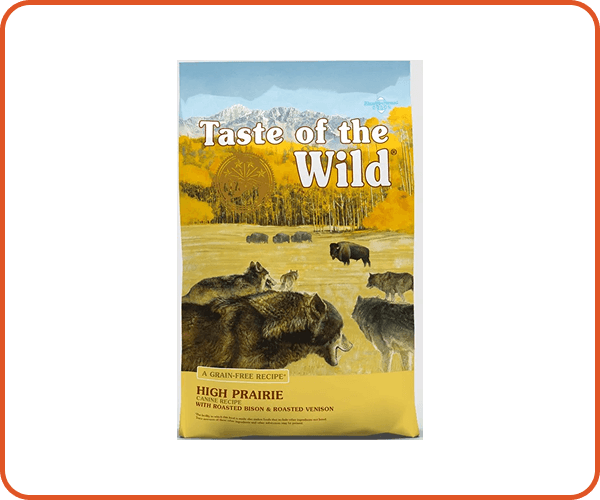
A grain-free formula built around bison and roasted venison — two novel proteins most dogs have never been exposed to, making it an excellent rotational partner alongside chicken or salmon-based foods. The formula includes sweet potatoes and peas as digestible carbohydrate sources, dried chicory root as a prebiotic, and a proprietary blend of K9 Strain probiotics (80 million CFU/lb) added after cooking to ensure viability.
Key specs: 32% protein, 18% fat, approximately 370 kcal/cup. Grain-free, made in the USA by a family-owned company. Uses chelated minerals for better absorption — a quality marker usually found in more expensive foods. Roughly $59 for a 28-lb bag.
Best for: Owners looking for a high-protein, novel-protein anchor food that's affordable enough to rotate regularly without straining the budget.
2. Acana Grass-Fed Lamb Recipe
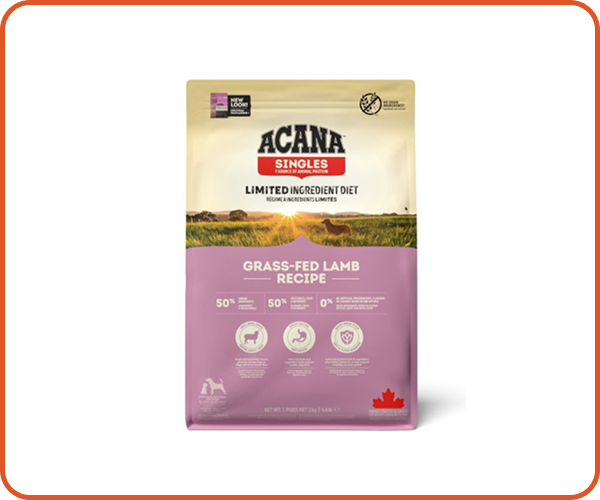
Acana is one of the few brands specifically designed with rotational feeding in mind. Their recipes use the same whole-food base and simply swap the primary protein — making gut transitions significantly smoother. The Grass-Fed Lamb formula features 50% lamb ingredients sourced from ranch-raised animals, with whole oats, pumpkin, and butternut squash providing gentle, fiber-rich carbohydrates.
Key specs: 29% protein, 17% fat. Single animal protein source — ideal for identifying sensitivities within a rotation. No corn, wheat, soy, or artificial preservatives. Contains omega-3 fatty acids for skin and coat support. Premium priced at roughly $75 for a 25-lb bag.
Best for: Owners who prioritize clean, traceable ingredients and want a single-protein formula that pairs easily with poultry or fish-based foods in rotation.
3. Instinct Limited Ingredient Diet Lamb Dog Food
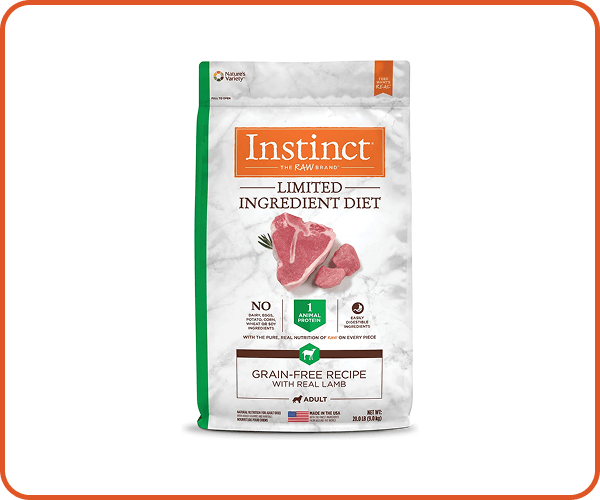
If your dog has a sensitive stomach but still benefits from dietary variety, Instinct's Limited Ingredient Diet is the safest entry point for rotational feeding. The formula is stripped down to the essentials — one animal protein (lamb), one grain-free carbohydrate source (peas), and minimal supporting ingredients. No corn, wheat, soy, dairy, eggs, chicken, beef, fish, or artificial preservatives.
Key specs: 22% protein, 13% fat. Single animal protein with the shortest ingredient list of any food on this list. Available in both kibble and wet food formats — allowing you to rotate between textures as well as proteins. Roughly $70 for a 20-lb bag.
Best for: Dogs with known sensitivities who need a gentle, minimal formula as part of their rotation — and the simplest way to isolate which proteins your dog tolerates best.
Final Verdict: Trend or Real Benefit?
Both — and that's okay. Rotational feeding is partly a trend driven by the humanization of pet nutrition. We project our own desire for dietary variety onto our dogs, and the pet food industry is happy to encourage that with more flavors, formats, and premium options.
But it's also supported by legitimate science. The emerging research on gut microbiome diversity, the logic behind reduced allergen exposure, and the practical benefits of digestive adaptability are all real. Rotational feeding isn't snake oil — it's a valid nutritional strategy with genuine benefits for the right dogs.
The truth is simple: rotational feeding is a good option for healthy dogs with strong stomachs, but it's not superior to consistent feeding with a high-quality food. The quality of the food matters far more than whether you rotate it. A dog eating the same premium formula every day will almost certainly be healthier than a dog rotating between three mediocre brands.
Start with quality. Add variety if your dog enjoys it and handles it well. And always — always — transition gradually.
Frequently Asked Questions
How often should I rotate my dog's food?
Most experts recommend rotating every 2–4 weeks. This gives your dog's digestive system enough time to fully adapt to each food before switching. Rotating daily is too frequent for most dogs and can cause chronic digestive instability.
Can I rotate between dry kibble and wet food?
Yes, alternating between dry and wet food is one of the easiest forms of rotational feeding. Many owners feed kibble as the daily base and add wet food 2–3 times per week for variety and extra hydration. Both should be AAFCO-compliant and complete.
Will rotational feeding give my dog diarrhea?
It can if done too quickly. Always use a gradual 7–10 day transition when introducing a new food. Once your dog's gut adapts to rotation over several cycles, transitions typically become smoother and faster. If diarrhea persists beyond the transition period, that specific food may not be right for your dog.
Is rotational feeding better than feeding the same food?
Not necessarily. A healthy dog eating one high-quality, AAFCO-compliant food can live a long, healthy life without ever rotating. Rotational feeding offers potential benefits like broader nutrition and reduced allergy risk, but the quality of the food matters far more than whether you rotate it.
Can puppies do rotational feeding?
Yes, and it's actually easier to start rotation during puppyhood. Puppies' digestive systems are more adaptable, and early exposure to dietary variety can build a more resilient gut for adulthood. Always use puppy-appropriate formulas and transition gradually.