Dog Food
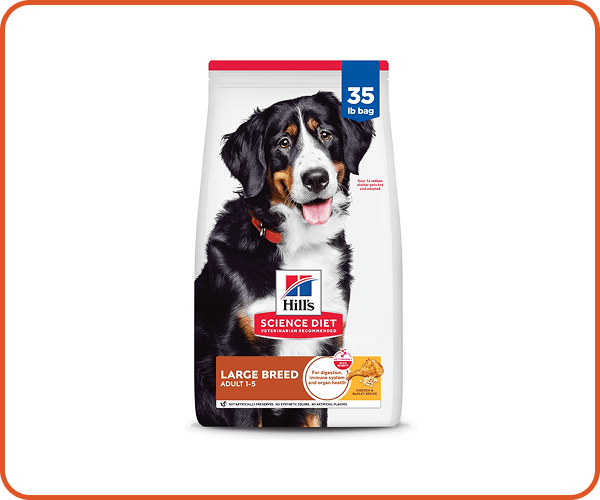
Hill's Science Diet Adult Large Breed Chicken & Barley Review
A vet-recommended large breed formula with joint support, but protein is moderate and grains dominate.
Read Review →

In 1939, a young blind man named Morris Frank brought his German Shepherd guide dog, Buddy, to veterinarian Dr. Mark Morris Sr. in Topeka, Kansas. Buddy was dying of kidney failure, and Frank asked if anything could be done. Dr. Morris believed he could manage the disease through nutrition alone. He and his wife Louise formulated a special low-protein, low-mineral diet in their home kitchen — and Buddy recovered. That recipe became Prescription Diet k/d, first commercially canned in 1948 through a partnership with Burton Hill of the Hill Packing Company. It was the world's first veterinarian-formulated therapeutic pet food. Dr. Morris's son, Mark Morris Jr., later expanded the concept into everyday wellness nutrition, launching Science Diet in the 1960s. Colgate-Palmolive acquired Hill's in 1976 and turned it into a global operation now sold in over 80 countries.
Hill's operates two distinct product lines that serve very different purposes, and confusing them is a common mistake among pet owners:
Both lines are formulated by a team of over 220 veterinarians, food scientists, and nutritionists at the Hill's Pet Nutrition Center in Topeka, and the brand's Small Animal Clinical Nutrition textbook is still used in veterinary schools worldwide.
Any thorough Hill's review must address the 2019 recall, which was the most damaging incident in the brand's history. In January 2019, Hill's voluntarily recalled 25 varieties of canned dog food after a pet owner reported vitamin D toxicity. The FDA then requested additional testing, and the recall expanded to 33 varieties — roughly 675,000 cases, or over 17 million individual cans — across 78 countries. Multiple dogs became seriously ill and some died from kidney failure caused by the excess vitamin D. Hill's blamed a supplier error in a vitamin premix and settled a class action lawsuit for $12.5 million in 2021. The company has since implemented stricter Certificates of Analysis requirements for all incoming ingredients. It was a serious failure of quality control from a brand that built its entire identity on clinical precision, and while Hill's has recovered commercially, some pet owners and veterinarians have not fully restored their trust.
Like Royal Canin, Hill's follows a nutrient-first philosophy rather than an ingredient-first one. This means you will see items like chicken by-product meal, corn gluten meal, brewer's rice, and powdered cellulose on ingredient lists — ingredients that are nutritionally functional but unpopular with consumers who prefer whole-food labels. Hill's argues, with significant veterinary backing, that what matters is the nutrient profile of the finished product, not the consumer appeal of individual ingredients. Critics counter that a company generating $3.7 billion in revenue could source more recognisable ingredients without sacrificing nutritional precision. Both perspectives have merit, and the right choice depends on whether you prioritise clinical evidence or ingredient transparency. For pets with diagnosed medical conditions, Prescription Diet remains one of the most effective dietary tools available. For healthy pets, Science Diet is a solid, vet-endorsed option — but buyers who want a cleaner label at a similar price point have alternatives worth considering.
4 reviews — sorted by rating.
A vet-recommended large breed formula with joint support, but protein is moderate and grains dominate.
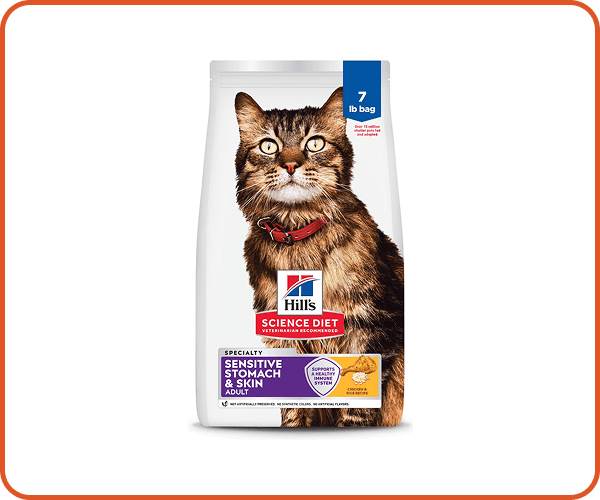
Read Review →A vet-backed sensitive stomach cat formula with proven digestibility and FOS prebiotics, but corn gluten meal is the thi…
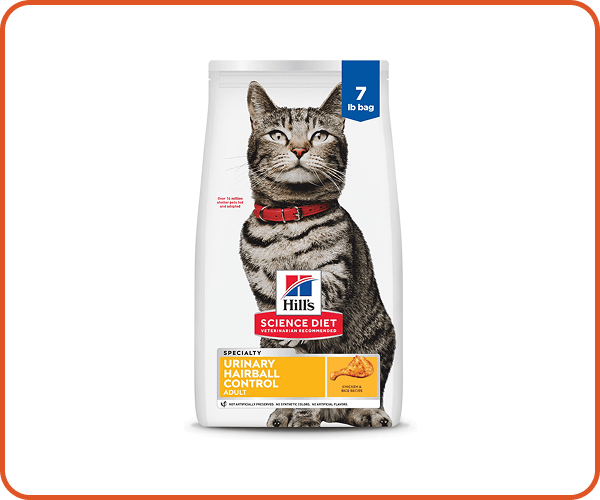
Read Review →A dual-purpose cat formula clinically shown to support urinary mineral balance alongside high-fiber hairball control — b…
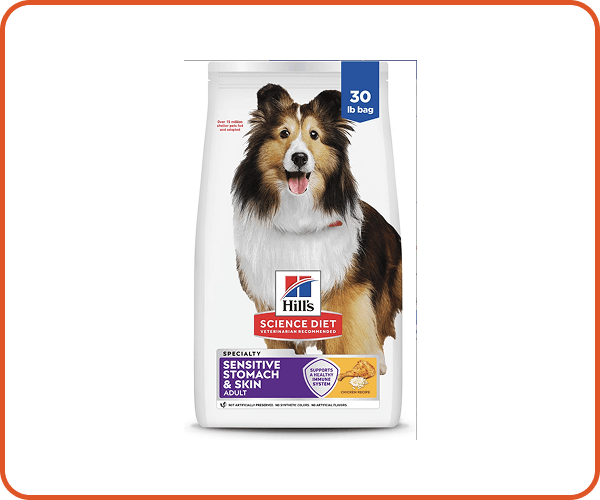
Read Review →A vet-backed sensitive stomach dog formula with AAFCO feeding trial validation and Vitamin E at 400 IU/kg — but yellow p…
Read Review →