Dog Food
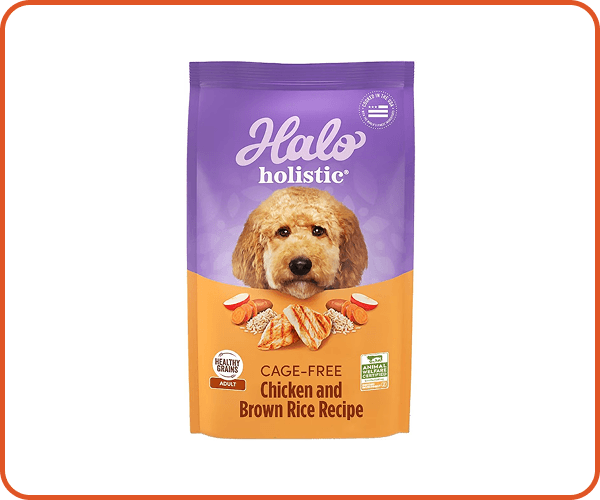
Halo Holistic Cage-Free Chicken & Brown Rice Review
GAP-certified cage-free chicken with no meat meals and a triple-biotic gut formula, but 433 kcal/cup demands careful por…
Read Review →

In 1986, Andi Brown's cat Spot was falling apart — chronic diarrhea, skin infections, excessive shedding, kidney issues. Five different veterinarians prescribed premium foods and drugs, and three told her to put him to sleep. Then she met Voyko Marx, a chef and nutrition specialist who suggested something radical: throw away the prescription kibble and feed Spot a homemade chicken stew with fresh vegetables. Within a week, Spot's symptoms began clearing. That stew became "Spot's Stew," the first product under a new company Andi called Halo, Purely for Pets. It was manufactured in a USDA-inspected kitchen — a first for any pet food — and Andi personally coined the term "human-grade" to differentiate her ingredients from the rendered by-products dominating the industry. The term has since become one of the most used marketing phrases in premium pet food, but Halo was where it started.
Halo's ownership history is a story of ambition, celebrity, and turbulence. Andi Brown ran the company for two decades before selling to investors in 2006, openly stating that the new owners changed her original formulas and moved production out of the USDA facility. In 2008, Ellen DeGeneres purchased a 15% stake and became co-owner, bringing massive visibility to the brand — her endorsement helped Halo reach mainstream retailers like Petco and Whole Foods. But the corporate carousel continued. In 2019, Better Choice Company (now SRx Health Solutions, Inc.) acquired Halo and added it to a portfolio that included TruDog and other direct-to-consumer pet brands. In 2022, the company relaunched Halo with a new marketing campaign targeting millennials and Gen Z under the tagline that pets are "the best kids." Through all the ownership changes, the core promise has remained: whole animal proteins, no rendered meat meals, no artificial anything.
The pet food aisle is full of brands claiming to be natural, but Halo backs its claims with a few genuinely distinctive commitments:
On the flip side, some Halo recipes still include garlic powder — an ingredient that remains controversial in pet nutrition. Over 200 pet owners once petitioned Halo to remove it, but the company has maintained that the amounts used are safe. Buyers who are cautious about garlic should check individual labels before purchasing.
Halo is not cheap. Pricing sits firmly in the premium tier, and the combination of whole meat sourcing and certified sustainability drives costs higher than comparable "natural" competitors like Wellness or Merrick. The brand's recall history is minimal — a 2013 salmonella-related recall for some Spot's Stew dog food lots, and a 2015 voluntary recall of a single cat food recipe for potential mould. Neither incident was widespread. The bigger concern for some buyers is the revolving door of ownership and the gap between Andi Brown's original vision and the corporate-managed brand Halo has become. The formulas today are good — above-average protein, no by-products, no artificial additives, strong sustainability credentials — but they are not the same recipes Andi hand-developed in a USDA kitchen in the 1980s. For pet owners who want whole-meat-based, responsibly sourced nutrition and are willing to pay for it, Halo delivers. Just know that you are buying a legacy brand that has been reinvented multiple times, and check whether the specific formula you are considering lives up to the brand's best promises.
2 reviews — sorted by rating.
GAP-certified cage-free chicken with no meat meals and a triple-biotic gut formula, but 433 kcal/cup demands careful por…
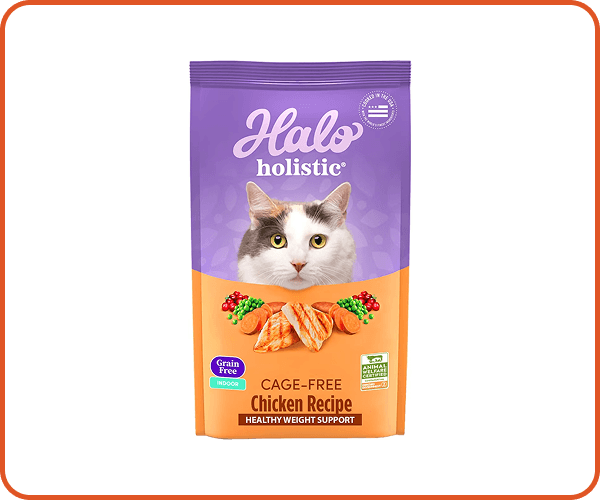
Read Review →Cage-free chicken first, grain-free, with prebiotics and postbiotics for indoor cats managing weight and digestion.
Read Review →