Cat Food
Acana Indoor Entree Herring & Salmon Review
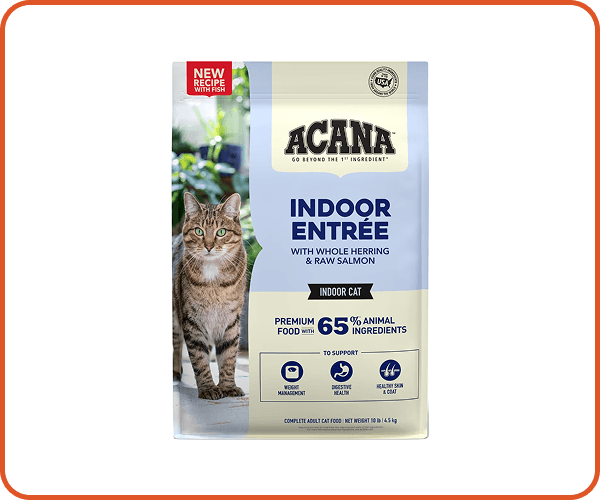
A fish-forward premium indoor cat kibble with 65% animal ingredients, strong hairball control, and a legume-heavy carboh…
Read Review →
In the early 1970s, Reinhard Muhlenfeld — a German-born engineer living in Alberta — noticed that most of the pet food sold in Canada was imported from the United States. He found that absurd: Alberta was surrounded by cattle ranches, free-range poultry farms, and cold-water fisheries, yet local pets were eating food made from ingredients shipped across the border. In 1975, he founded Champion Feed Services Ltd. in Morinville, a small town north of Edmonton, initially producing animal feed from regional ingredients. Over the next decade, the operation evolved into Champion Petfoods and launched the Acana brand — a name built from "Alberta" and "Canada." The concept was simple but radical for its time: source fresh meat, poultry, and fish from local farms and fisheries, process them in your own facility, and never outsource manufacturing. In 2005, Champion launched Orijen as the ultra-premium sibling brand with even higher meat inclusion. Then in 2023, Mars Incorporated acquired Champion Petfoods — a deal that sent shockwaves through the premium pet food community and raised immediate questions about whether the brand's independence and ingredient standards would survive under corporate ownership.
Since both brands come from the same company, the same kitchens, and the same ingredient philosophy, the most common question pet owners ask is why Acana exists alongside Orijen. The answer is protein concentration and price. Orijen recipes contain 85% animal ingredients and 38–42% protein on a guaranteed analysis basis, making it one of the most meat-dense kibbles on the market — and one of the most expensive. Acana uses 50–75% animal ingredients with protein levels around 27–35%, balanced with more fruits, vegetables, and botanicals. The result is a food that follows the same "biologically appropriate" philosophy but at a more accessible price point — typically 20–30% less per bag than Orijen. Think of Acana as Orijen's practical sibling: still premium, still regionally sourced, still made in-house, but formulated for pet owners who want high-quality nutrition without the ultra-premium cost of the most meat-dense option on the shelf.
One of Champion Petfoods' most distinctive commitments is that every Acana product — dry, wet, freeze-dried, and treats — is manufactured in company-owned facilities. Canadian products come from the NorthStar Kitchen in Edmonton, Alberta. US products are made at the DogStar Kitchen in Auburn, Kentucky, which opened in 2019 at a cost of over $300 million — one of the most advanced pet food production facilities in North America. Champion sources ingredients regionally for each kitchen: Alberta ranch-raised beef, free-run poultry, and wild-caught Pacific fish for the Canadian line; Kentucky farm-raised poultry, catfish, and locally sourced produce for the American line. This means the same Acana recipe can have slightly different ingredient origins depending on where it was manufactured — a transparency detail that few brands offer. The company also claims that its animal ingredients arrive fresh or raw, never frozen before processing, though some recipes do include dried meals alongside the fresh proteins.
Acana has never been recalled. In an industry where recalls are almost routine, that is a genuinely rare distinction and one of the strongest arguments in the brand's favour. However, the brand has not been controversy-free. In 2018, a class action lawsuit was filed alleging that Acana and Orijen products contained heavy metals including arsenic, lead, cadmium, and mercury, as well as BPA from packaging. Champion Petfoods responded that the levels detected were naturally occurring trace amounts found in all animal-based foods and fell well within safe limits established by regulatory agencies. The case was eventually dismissed. Separately, Acana appeared on the FDA's list of brands most frequently named in reports of canine dilated cardiomyopathy (DCM), linked to grain-free diets high in legumes and pulses. The FDA has not established a causal relationship, and Acana has since expanded its grain-inclusive offerings — but it remains a consideration for buyers choosing between the grain-free and grain-inclusive lines. The Mars acquisition is the current elephant in the room. Champion insists that nothing has changed in sourcing, formulation, or manufacturing. Sceptics point to the histories of other premium brands — Merrick, Nutro, Natural Balance — that made similar promises before corporate-owned reformulations. Time will tell, but for now, the food in the bag remains among the best-reviewed in the industry.
3 reviews — sorted by rating.
A fish-forward premium indoor cat kibble with 65% animal ingredients, strong hairball control, and a legume-heavy carboh…
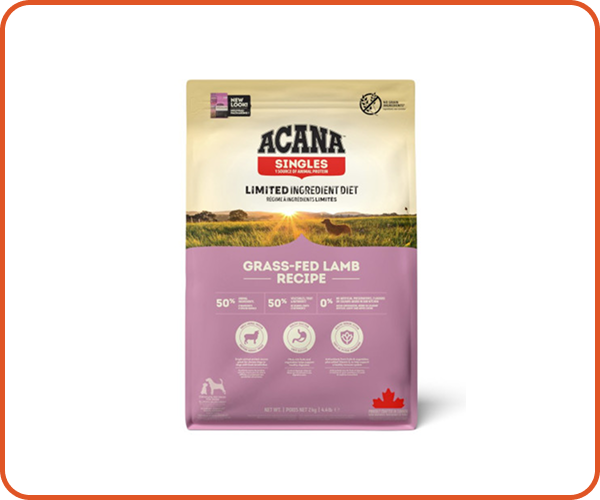
Read Review →A WholePrey single-protein lamb kibble with 50% lamb ingredients across five cuts, rich botanicals, and 31% protein — bu…
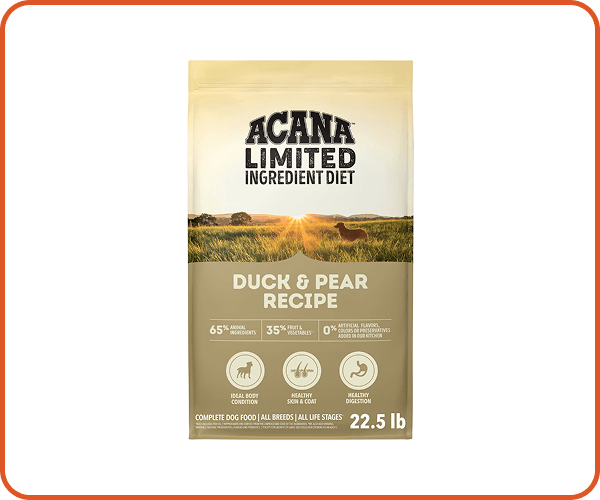
Read Review →Three named duck ingredients, 35% DMB protein, and three probiotic strains, though pricing runs premium and DCM scrutiny…
Read Review →